24/7 Emergency Service

Are Heat Pumps The Right Long-Term Solution For Every Home?

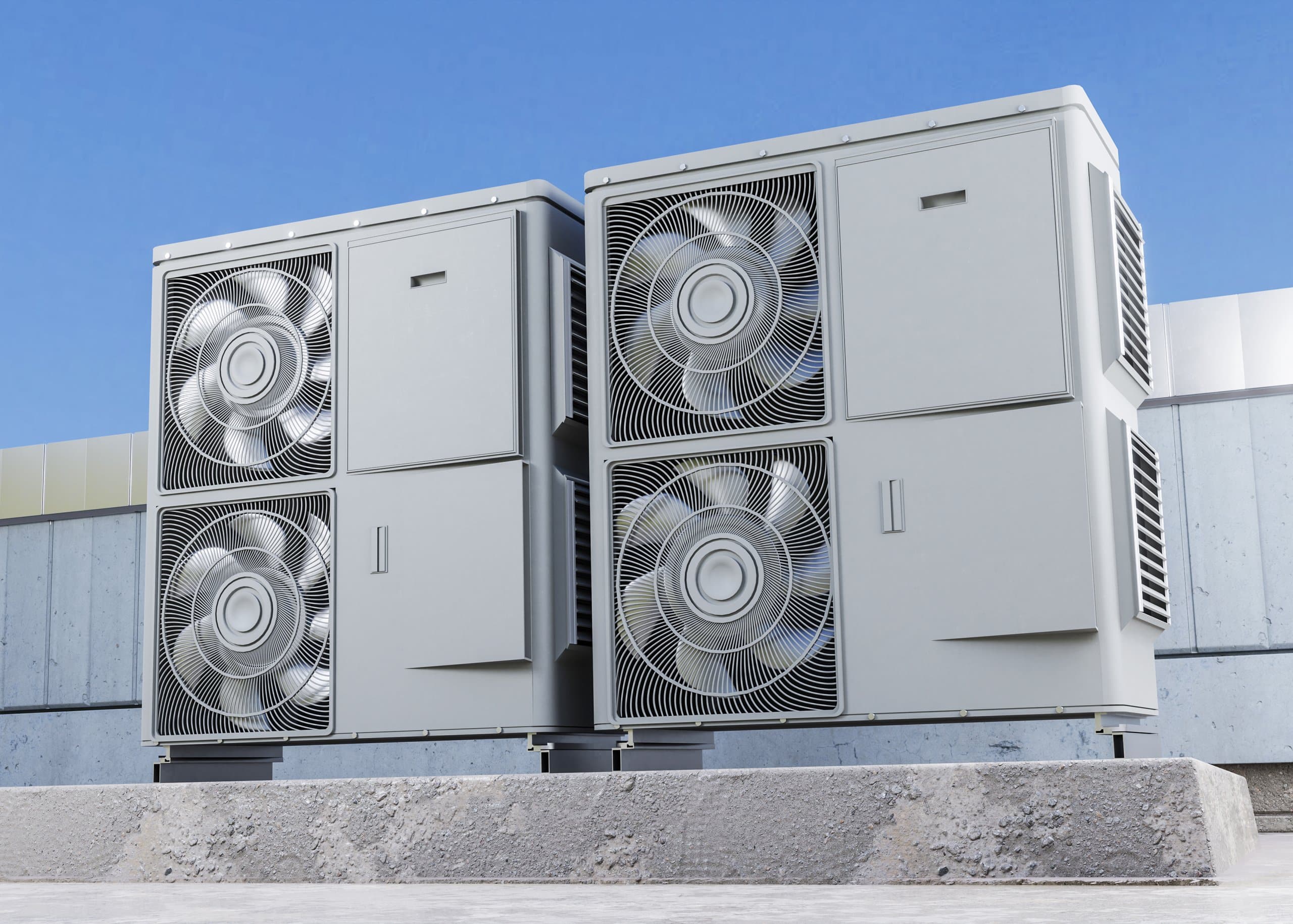
Are heat pumps the right long-term solution for every home?

No, heat pumps are not the right long-term solution for every home. While they can provide efficient heating and cooling in many situations, factors such as home compatibility, installation requirements, local climate, and system design all influence whether they are the best fit for a particular property. A professional evaluation can help determine whether a heat pump is the right choice for a specific home.

Why heat pumps are not the best fit for every home

Heat pumps have gained attention because they transfer heat instead of generating it, which can make them an energy-efficient option for many households when properly matched to the home. However, that does not automatically make them the ideal long-term solution for every property.

Several factors influence whether a heat pump will perform effectively over the years. Older homes, for example, may require additional upgrades before a heat pump can operate efficiently. Improving insulation, sealing air leaks, or replacing smaller radiators with larger low-temperature heating systems may be necessary to help the system perform as intended.

Some homes may also require electrical upgrades or other system modifications before a heat pump can be installed and operate properly. These requirements vary depending on the home’s existing condition and equipment.

For homeowners in Prescott Valley, Arizona, considering both the current condition of the home and long-term comfort goals can help determine whether a heat pump is a practical option.

What factors should homeowners consider before installing a heat pump?

Choosing a heating and cooling system involves more than comparing equipment. A professional evaluation typically considers several important factors.

Home efficiency

Well-insulated homes can help heat pumps operate more efficiently by reducing heat loss and improving overall system performance. Homes with poor insulation may lose heat more quickly, reducing overall performance until efficiency improvements are made.

Climate conditions

Modern heat pumps are designed to perform across a wider range of temperatures than earlier models, although extremely low temperatures can still reduce efficiency depending on the system and installation. Some systems may require supplemental heating during prolonged cold weather based on the model and local climate.

Installation quality

Proper sizing and installation are essential. An incorrectly sized heat pump may struggle to maintain indoor comfort or operate less efficiently than intended. Working with experienced HVAC professionals helps ensure the system matches the home’s heating and cooling requirements.

Utility considerations

The availability of electricity, the home’s electrical capacity, and existing heating equipment all play a role in determining whether a heat pump is an appropriate long-term solution. Evaluating these factors helps ensure the system is suited to the home’s needs.

Why are many homeowners considering heat pumps?

Although they are not ideal for every property, many homeowners are considering heat pumps as one of several residential HVAC options.

One reason is their operating approach. Because they move heat rather than create it through combustion, they can provide effective heating and cooling while using energy differently than many traditional systems.

Heat pump technology continues to evolve, and newer models are designed to operate across a wider range of weather conditions while providing additional installation options compared to earlier designs.

As heat pump technology continues to evolve, more homeowners are exploring whether these systems are a good fit for their homes based on factors such as efficiency, compatibility, and long-term comfort needs.

Improvements in heat pump technology and system design have expanded the situations where heat pumps may be a suitable option, depending on the home’s characteristics and a professional evaluation.

Heat pumps and homeowners in Prescott Valley, Arizona

In Prescott Valley, Arizona, selecting the right HVAC system depends on the home’s design, insulation, existing equipment, and comfort needs. While many areas of Arizona experience relatively mild winters that can support efficient heat pump operation, every home should still be evaluated individually based on its design, insulation, and heating needs.

A professional HVAC assessment can identify whether a heat pump is likely to provide reliable year-round performance or whether another heating solution may better meet the home’s needs. Understanding factors such as insulation, electrical capacity, and system sizing helps homeowners make informed long-term decisions.

Myth: Heat pumps are automatically the best choice for every home

A common misconception is that heat pumps are always the superior replacement for every existing heating system.

In reality, heat pumps offer significant advantages for many homes, but they are not universally appropriate. Home condition, installation quality, local climate, electrical capacity, and system design all influence whether a heat pump will deliver the expected long-term performance. The best solution is one that matches the specific needs of the property rather than assuming one system fits every situation.

FAQ

Do heat pumps work well in Arizona?

Many homes in Arizona can benefit from heat pumps because of the generally mild climate, but proper sizing and installation remain important for achieving reliable year-round performance.

Can an older home use a heat pump?

Yes. Some older homes may require insulation improvements, electrical upgrades, or heating system modifications before a heat pump can operate as efficiently as intended.

Do some homes require upgrades before installing a heat pump?

Yes. Depending on the home’s existing electrical system, insulation, and heating equipment, some properties may require upgrades before a heat pump can be installed and perform as intended.

How do I know if a heat pump is right for my home?

A professional HVAC evaluation can assess your home’s insulation, heating requirements, electrical system, and comfort goals to determine whether a heat pump is an appropriate long-term solution.

Are Heat Pumps The Right Long-Term Solution For Every Home?

No, heat pumps are not the right long-term solution for every home. While they offer excellent efficiency and long-term benefits in many situations, factors like upfront costs, home insulation, system design, and local climate all affect whether they are the best choice. Homeowners in Prescott Valley should have their home professionally evaluated to determine the most suitable HVAC system.

Conclusion

Heat pumps can be an effective long-term solution for many homes, but they are not the right choice for every property. Factors such as home efficiency, climate, installation quality, and system design all influence whether they will provide reliable long-term performance.
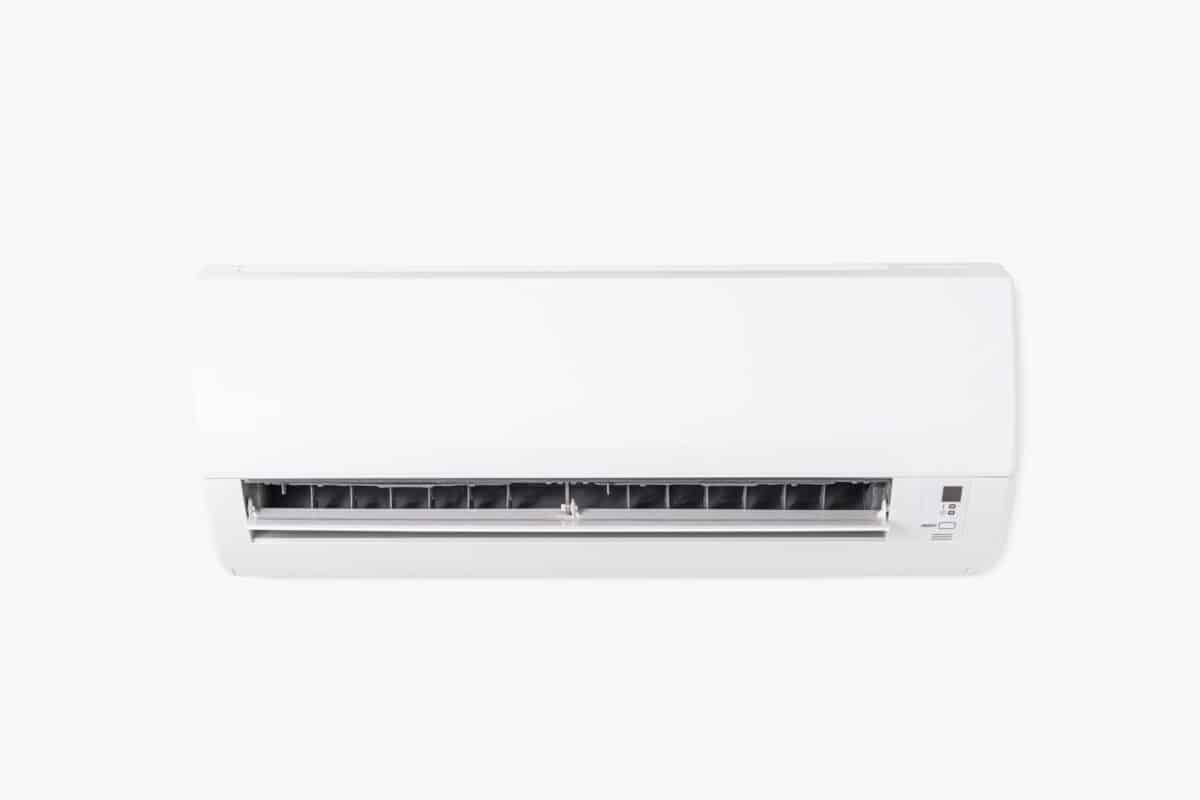
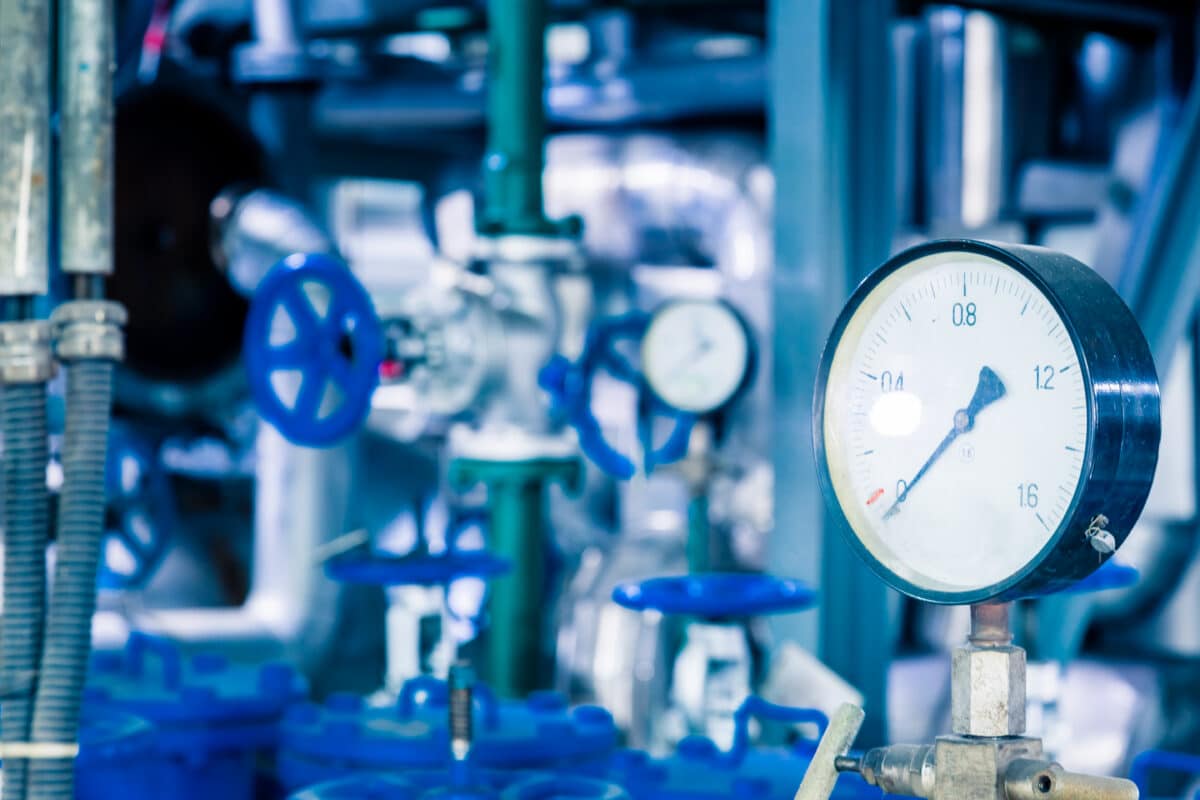
If you’re considering a heat pump or exploring HVAC replacement options in Prescott Valley, Arizona, Fiscor Plumbing and Air can evaluate your home’s heating and cooling needs and help you determine which system is the best fit for your comfort and long-term goals.

How Can You Tell If Your Air Conditioner Is Making You Feel Sick?

How can you tell if your air conditioner is making you feel sick?

Your air conditioner may be contributing to your symptoms if you regularly experience headaches, fatigue, dry eyes or throat, sneezing, coughing, or nasal congestion while indoors, and those symptoms improve after leaving the air-conditioned space. Poor indoor air quality, dirty filters, mold, or overly dry air are common factors that can cause this type of discomfort.

What Symptoms Could Indicate Your Air Conditioner Is Affecting Your Health?

An air conditioner itself does not typically make people sick, but it can contribute to symptoms when it circulates poor-quality air or creates an environment that irritates the body. These symptoms often resemble seasonal allergies or a mild cold, making them easy to mistake for other conditions.

Common signs include:

  • Dry or irritated eyes, nose, or throat
  • Sneezing or persistent coughing
  • Nasal congestion
  • Headaches
  • Fatigue or drowsiness
  • Difficulty concentrating
  • Dry, itchy skin
  • Wheezing or worsening allergy or asthma symptoms

If these symptoms consistently occur while you’re indoors and lessen after spending time outside or in another building, your HVAC system may be worth evaluating.

Why Can an Air Conditioner Cause These Symptoms?

Several conditions within an HVAC system can affect indoor air quality and comfort.

Dirty Filters and Airborne Irritants

Air filters are designed to capture dust, pollen, and other airborne particles. When filters become clogged, they may no longer trap these contaminants effectively, allowing them to circulate throughout your home.

Mold and Moisture

Moisture inside an air conditioning system can create conditions where mold or mildew develops. When spores are circulated through the ductwork, they may trigger allergy-like symptoms or respiratory irritation for sensitive individuals.

Low Indoor Humidity

Air conditioners naturally remove moisture from the air. While this helps improve comfort, excessively dry indoor air can irritate the eyes, skin, nose, and throat, especially when the system runs for extended periods or is set too cold.

When Should You Suspect Your Air Conditioner?

One of the clearest indicators is a consistent pattern between your symptoms and your environment. If you begin feeling unwell shortly after spending time in an air-conditioned building and notice improvement after leaving, your HVAC system could be contributing to the problem.

For homeowners in Prescott Valley, Arizona, this is especially important during the warmer months when air conditioners operate for much of the day. Regular system use increases the importance of proper maintenance to help support healthy indoor air quality.

It’s also important to remember that similar symptoms can result from seasonal allergies, viral illnesses, or other health conditions. If symptoms persist or become severe, consulting a healthcare provider is the best way to determine the underlying cause.

Myth: Air Conditioners Always Make People Sick

A common misconception is that simply using air conditioning causes illness.

In reality, properly maintained air conditioners are designed to improve indoor comfort. Problems are more likely to occur when filters are dirty, moisture leads to mold growth, or indoor air becomes excessively dry. Routine maintenance helps reduce these risks and keeps the system operating efficiently.

How Regular HVAC Maintenance Can Help Improve Indoor Air Quality

Regular professional HVAC maintenance can help address conditions that contribute to poor indoor air quality. During a maintenance visit, an HVAC technician can inspect the system, identify concerns that may affect airflow or air quality, and recommend appropriate solutions based on your home’s needs.

For homeowners in Prescott Valley, Arizona, seasonal HVAC maintenance helps prepare the system for heavy use while supporting cleaner, healthier indoor air throughout the cooling season.

FAQ

Can dirty air filters make you feel sick?

Dirty filters can allow dust, pollen, and other airborne particles to circulate through your home, which may contribute to allergy-like symptoms and respiratory irritation for some people.

Can mold inside an air conditioner affect indoor air quality?

Yes. Mold or mildew that develops within an HVAC system can release spores into the air, potentially triggering irritation or allergy symptoms in sensitive individuals.

Should I turn off my air conditioner if I think it’s causing symptoms?

Not necessarily. If you notice symptoms that seem related to your indoor environment, having your HVAC system professionally inspected can help identify any indoor air quality concerns.

When should I contact a healthcare provider?

If your symptoms persist, worsen, or resemble those of another illness, it’s important to seek medical advice to determine the cause and receive appropriate care.

FAQ: https://fiscorhvac.com/faq/#how-can-you-tell-if-your-air-conditioner-is-making-you-feel-sick

Conclusion

If your symptoms consistently appear while you’re indoors with the air conditioner running and improve after leaving, poor indoor air quality, dirty filters, mold, or overly dry air may be contributing factors. Routine HVAC maintenance can help reduce these issues and create a healthier indoor environment.

If you’re concerned about your home’s indoor air quality or your cooling system’s condition, Fiscor Plumbing and Air can inspect your HVAC system, perform routine maintenance, and help identify issues that may be affecting your home’s comfort and air quality in Prescott Valley, Arizona.

Do Air Handlers Require Gas To Operate?

Do air handlers require gas to operate?

No, air handlers do not require gas to operate. An air handler functions similarly to a furnace by moving conditioned air throughout your home, but it does not use any type of fuel source. Instead, it relies on an electric blower to move air over heated or cooled coils before distributing it through your ductwork.

How does an air handler work?

An air handler is an essential part of many HVAC systems. Its primary job is to circulate conditioned air throughout your home. Rather than generating heat through combustion like a gas furnace, an air handler uses an electric blower to move air across a heating or cooling coil. The conditioned air then travels through the ductwork and into each room.

Air handlers are commonly paired with heat pumps and central air conditioning systems. During warmer months, the blower pushes air across the cooling coil to deliver cool air indoors. When paired with a heat pump during colder weather, the same air handler distributes warm air created by the heat pump.

Because an air handler does not burn fuel, it does not require a gas line or produce combustion gases.

What is the difference between an air handler and a gas furnace?

Although air handlers and gas furnaces both distribute air through your home’s ductwork, they operate differently.

Air handler

An air handler:

  • Uses an electric blower motor.
  • Moves air across heating or cooling coils.
  • Does not burn natural gas or propane.
  • Commonly works with heat pump systems.

Gas furnace

A gas furnace:

  • Burns natural gas or propane to generate heat.
  • Uses burners and a heat exchanger.
  • Includes an electric blower to distribute heated air.
  • Is designed specifically for heating.

While both systems circulate air, only a gas furnace relies on a fuel source to create heat. An air handler simply moves conditioned air supplied by another component of the HVAC system.

When is an air handler the right choice?

Air handlers are often installed in homes with heat pump systems because they efficiently distribute both heated and cooled air using the same equipment.

For homeowners in Prescott Valley, Arizona, where cooling is an important part of year-round comfort, an air handler paired with a heat pump can provide effective indoor climate control without requiring a natural gas connection. The best system depends on your home’s design, existing equipment, and heating preferences.

If you’re replacing an HVAC system, a qualified technician can recommend whether an air handler or a gas furnace is the better fit for your home.

Myth: Air handlers are just gas furnaces without burners

A common misconception is that an air handler is simply a gas furnace with a few parts removed. While they may look similar and both contain a blower, they serve different purposes.

A gas furnace creates heat by burning fuel, while an air handler does not produce heat through combustion. Instead, it circulates air over heating or cooling coils connected to another HVAC component, such as a heat pump or air conditioner.

Understanding this distinction helps homeowners choose the right equipment for their heating and cooling needs.

FAQ

Can an air handler provide heat without gas?

Yes. An air handler can distribute warm air when paired with a heat pump or electric heating elements. It does not require natural gas or propane to operate.

Does an air handler use electricity?

Yes. Air handlers use electricity to power the blower motor and other internal components that circulate conditioned air throughout the home.

Is an air handler the same as an HVAC system?

No. An air handler is one component of an HVAC system. It works alongside equipment such as a heat pump or air conditioner to distribute conditioned air.

Can you replace a gas furnace with an air handler?

In some cases, yes. Replacing a gas furnace with an air handler typically requires a compatible heating system, such as a heat pump. A professional HVAC evaluation can determine the appropriate solution.

FAQ: https://fiscorhvac.com/faq/#do-air-handlers-require-gas-to-operate

Conclusion

Air handlers do not require gas to operate. Instead, they use an electric blower to circulate heated or cooled air supplied by connected HVAC equipment, making them a common choice for homes with heat pump systems.

If you have questions about your home’s HVAC system or are considering an equipment upgrade, Fiscor Plumbing and Air can help you understand your options. Our team provides professional HVAC services in Prescott Valley, Arizona to help homeowners choose and maintain systems that fit their comfort needs.

What Makes A Heat Pump An Effective Solution For Year-Round Home Comfort?

What makes a heat pump an effective solution for year-round home comfort?

A heat pump is an effective solution for year-round home comfort because it provides both heating and cooling by transferring heat instead of generating it. This energy-efficient system keeps your home comfortable in every season by moving heat indoors during winter and outdoors during summer using a refrigeration cycle.

How Does a Heat Pump Provide Heating and Cooling?

A heat pump works by moving heat from one location to another through a refrigeration cycle. Unlike traditional heating systems that create heat through combustion or electric resistance, a heat pump transfers existing heat, making it an efficient option for maintaining indoor comfort throughout the year.

During the winter, the outdoor unit absorbs heat from the outside air, even when temperatures are cold. The refrigerant carries that heat through the system, where it is compressed to increase its temperature before releasing warm air inside your home.

When the weather turns warm, the system reverses the process. It removes heat from inside your home and releases it outdoors, operating much like a traditional air conditioner. This dual-purpose design allows one system to provide reliable comfort during every season.

Why Are Heat Pumps Considered Energy Efficient?

One of the biggest reasons homeowners choose a heat pump is its ability to transfer heat rather than generate it. Because the system moves existing thermal energy instead of creating it from fuel, it can deliver efficient heating and cooling under a wide range of conditions.

A typical heating cycle includes these steps:

  1. The outdoor coil absorbs heat from the surrounding air.
  2. The refrigerant carries that heat to the compressor.
  3. The compressor increases the refrigerant’s pressure and temperature.
  4. The indoor coil releases the heat into your home.
  5. The refrigerant cools and repeats the cycle.

In cooling mode, a reversing valve changes the refrigerant flow so the system removes heat from inside your home and releases it outdoors. This seamless transition allows homeowners to enjoy consistent comfort without switching between separate heating and cooling systems.

What Types of Heat Pumps Are Available?

Several types of heat pumps are available, with each designed to meet different property needs.

Air-Source Heat Pumps

Air-source heat pumps are the most common option. They transfer heat between your home and the outdoor air, providing efficient heating and cooling throughout the year.

Ground-Source (Geothermal) Heat Pumps

Ground-source, or geothermal, heat pumps transfer heat using the stable temperatures below the earth’s surface. These systems can provide consistent performance because underground temperatures fluctuate less than outdoor air temperatures.

A qualified HVAC professional can help determine which type of heat pump is appropriate based on your home’s layout, climate, and comfort goals.

Common Myth About Heat Pumps

A common misconception is that heat pumps only work well in warm climates. In reality, modern heat pumps are designed to extract heat from outdoor air even when temperatures are low. While extremely cold conditions may require supplemental heating in some situations, many homeowners rely on heat pumps for dependable comfort throughout the year.

Why Heat Pumps Make Sense for Homes in Prescott Valley, Arizona

Homeowners in Prescott Valley, Arizona experience both hot summers and cooler winter temperatures, making a system that provides heating and cooling especially practical. A heat pump offers the flexibility to adapt to changing seasonal conditions without requiring separate heating and air conditioning equipment.

Whether you’re looking to improve comfort in the summer or maintain warmth during cooler months, a properly installed heat pump can provide dependable indoor temperature control. Working with an experienced HVAC professional in Prescott Valley, Arizona can help ensure your system is properly sized and installed for your home’s needs.

FAQ

Can a heat pump heat and cool the same home?

Yes. A heat pump provides both heating and cooling by reversing the direction of refrigerant flow, allowing one system to keep your home comfortable throughout every season.

Does a heat pump work during cold weather?

Yes. Heat pumps are designed to extract heat from outdoor air even in cold conditions, although supplemental heating may be used during extremely low temperatures in some climates.

What is the most common type of heat pump?

Air-source heat pumps are the most common. They transfer heat between your home and the outdoor air to provide efficient heating and cooling year-round.

Is a heat pump different from a traditional air conditioner?

Yes. A traditional air conditioner only cools your home, while a heat pump provides both cooling and heating by reversing the refrigeration cycle.

FAQ: https://fiscorhvac.com/faq/#what-makes-a-heat-pump-an-effective-solution-for-year-round-home-comfort

Conclusion

A heat pump is an effective year-round comfort solution because it transfers heat instead of generating it, allowing one system to efficiently heat your home during colder months and cool it during warmer weather. Its ability to provide both functions makes it a practical option for many homeowners.

If you’re considering a heat pump for your home in Prescott Valley, Arizona, Fiscor Plumbing and Air can help you determine whether it’s the right HVAC solution for your comfort needs. An experienced technician can evaluate your home and recommend a system that supports reliable heating and cooling throughout the year.

Do You Need Both a Furnace and an Air Handler in an HVAC System?

Do you need both a furnace and an air handler in an HVAC system?

No, you do not always need both a furnace and an air handler in an HVAC system. If you choose a conventional gas furnace and air conditioner, an air handler is typically not required because the furnace handles air movement. However, if you install an electric heat pump system, an air handler is usually included as part of the setup.

What Is the Difference Between a Furnace and an Air Handler?

A furnace and an air handler both play important roles in HVAC systems, but they serve different functions.

A furnace is designed to generate heat and distribute conditioned air through the ductwork. In many traditional HVAC systems, the furnace contains a blower that moves air throughout the home.

An air handler, on the other hand, is primarily responsible for circulating air. It contains components such as a blower fan and evaporator coil and is commonly paired with heat pump systems.

The type of HVAC system you choose determines whether you need a furnace, an air handler, or sometimes both components working together.

When Is an Air Handler Not Necessary?

If you are installing a traditional gas furnace with a central air conditioning system, an air handler is generally unnecessary.

In this setup, the furnace already includes a blower motor that moves heated and cooled air through the duct system. Because the furnace performs the air distribution function, a separate air handler would typically duplicate equipment already built into the system.

Many homeowners in Prescott Valley, Arizona choose conventional furnace and air conditioning combinations when evaluating heating and cooling options. In these systems, the furnace often serves as the central air-moving component.

As a result, purchasing both a furnace and a separate air handler is usually not required for this type of HVAC configuration.

When Does a Heat Pump Require an Air Handler?

Heat pump systems operate differently from conventional furnace systems.

Rather than generating heat through combustion, a heat pump transfers heat between the indoors and outdoors. Because there is no traditional furnace cabinet containing a blower, an air handler is commonly installed indoors to circulate conditioned air throughout the home.

An air handler paired with a heat pump may include:

  • A blower fan
  • An evaporator coil
  • Electrical components and controls
  • Supplemental electric heat strips in some systems

For homeowners considering heating and cooling options in Prescott Valley, Arizona, understanding this relationship is important. In most cases, purchasing a heat pump means an air handler will be part of the overall system design.

Common Misconception: Every HVAC System Needs an Air Handler

A common misconception is that every HVAC system requires both a furnace and an air handler.

In reality, HVAC equipment is selected based on the type of heating and cooling system being installed. Traditional gas furnace systems typically rely on the furnace’s built-in blower, while heat pump systems generally use an air handler for air circulation.

The need for an air handler depends on the system configuration rather than being a universal requirement for all homes.

How Can You Determine Which System Is Right for Your Home?

Choosing between a furnace-based system and a heat pump system involves several considerations.

Factors that may influence the decision include:

  • Existing HVAC equipment
  • Available energy sources
  • Home size and layout
  • Heating and cooling preferences
  • Long-term comfort goals

Understanding whether a furnace or air handler is necessary starts with identifying the type of HVAC system being installed. Once that is determined, the equipment requirements become much clearer.

In many cases, homeowners are surprised to learn that they may not need both components. The answer largely depends on whether the system relies on a conventional furnace or a heat pump for heating.

FAQ

Can a furnace work without an air handler?

Yes. Most conventional gas furnaces contain their own blower system, allowing them to move air through the ductwork without a separate air handler.

Do heat pumps always use an air handler?

Most residential heat pump systems are paired with an air handler that circulates conditioned air throughout the home.

What does an air handler do in an HVAC system?

An air handler helps move heated or cooled air through the duct system and typically contains the blower fan and evaporator coil.

Is a furnace considered an air handler?

Not exactly. A furnace provides heating and often contains a blower, while an air handler is primarily designed to circulate air within certain HVAC systems.

FAQ:

https://fiscorhvac.com/faq/#do-you-need-both-a-furnace-and-an-air-handler-in-an-hvac-system

Conclusion

Whether you need both a furnace and an air handler depends on the type of HVAC system you choose. Traditional gas furnace and air conditioning systems generally do not require a separate air handler, while heat pump systems typically include one as part of the installation.

Understanding the differences between these components can help homeowners make informed decisions when evaluating heating and cooling system options for their homes.

What Is The Average Lifespan Of A Residential Furnace?

What is the average lifespan of a residential furnace?

A residential furnace that receives regular maintenance can typically last 15 to 20 years. Annual maintenance, prompt repairs, and proper system care can help extend its lifespan beyond the average range.

What Factors Affect the Lifespan of a Furnace?

While many residential furnaces are designed to last between 15 and 20 years, their actual lifespan depends on several factors. One of the most important influences is how well the system is maintained throughout its service life.

Key factors that can affect furnace longevity include annual professional maintenance, timely repairs when issues arise, proper installation, frequency of use, regular air filter replacement, and the overall workload placed on the system throughout the year.

A furnace that is neglected or operates with unresolved mechanical issues may experience more wear and tear, reducing its lifespan. On the other hand, a well-maintained unit can continue operating effectively for years beyond the average expectation.

Why Is Annual Furnace Maintenance Important?

Routine maintenance plays a major role in helping a furnace last as long as possible. During a maintenance visit, a technician can inspect critical components, clean parts, check system performance, and identify potential issues before they become major problems.

Regular maintenance can help improve system efficiency, reduce unnecessary strain on components, minimize unexpected breakdowns, support consistent indoor comfort, and extend equipment life.

Annual furnace service helps identify potential issues, supports system performance, and contributes to proper equipment care throughout the life of the furnace.

How Can Repairs Help Extend Furnace Life?

Small problems can become larger issues when they are ignored. Components that are worn, damaged, or malfunctioning can place additional stress on the rest of the system.

Addressing repair needs promptly helps prevent excessive wear and can keep the furnace operating as intended. For example, a failing blower motor, faulty thermostat, or ignition issue may seem minor at first, but delaying repairs could lead to more extensive system damage over time.

In many cases, consistent maintenance combined with timely repairs allows homeowners to maximize the useful life of their furnace.

Furnace Lifespan Considerations in Prescott Valley, Arizona

Although Prescott Valley, Arizona is known for its relatively mild climate compared to colder regions, furnaces still play an important role during the cooler months. Seasonal heating demands can impact how often a furnace operates and how quickly components experience wear.

Homeowners in Prescott Valley, Arizona can benefit from scheduling annual HVAC maintenance before the heating season begins. Regular inspections help ensure the system is prepared for cooler temperatures and can contribute to a longer operational life.

Whether a furnace is used daily during winter or only occasionally throughout the year, proper care remains one of the most effective ways to preserve its performance and longevity.

Common Myth About Furnace Lifespan

A common misconception is that a furnace should be replaced automatically once it reaches 15 years of age.

In reality, age alone does not determine whether replacement is necessary. Many furnaces continue operating effectively beyond 15 to 20 years when they have been properly maintained and repaired as needed. The overall condition, performance, and maintenance history of the system are often more important indicators than age by itself.

FAQ

Can a furnace last longer than 20 years?

Yes. With regular maintenance, timely repairs, and proper operation, some residential furnaces can remain functional beyond 20 years.

How often should a furnace be serviced?

Most HVAC professionals recommend scheduling furnace maintenance once per year, ideally before the heating season begins.

What are signs that a furnace may be nearing the end of its lifespan?

Frequent repairs, inconsistent heating, unusual noises, and declining efficiency can indicate that a furnace is aging and may require closer evaluation.

Does changing the air filter help extend furnace life?

Yes. Regular air filter replacement helps maintain proper airflow, reduces strain on the system, and supports long-term furnace performance.

FAQ:

https://fiscorhvac.com/faq/#what-is-the-average-lifespan-of-a-residential-furnace

Conclusion

A residential furnace typically lasts between 15 and 20 years when it receives proper care. Regular maintenance and prompt repairs can help extend its lifespan and support long-term system performance.

For homeowners in Prescott Valley, Arizona, understanding furnace lifespan and maintaining a regular service schedule can help support long-term heating system performance.

Do Air Handlers Provide Both Heating And Cooling?

Do air handlers provide both heating and cooling?

Yes, air handlers can support both heating and cooling when paired with the appropriate HVAC system. An air handler is an indoor unit that circulates conditioned air throughout the home and is commonly matched with a heat pump or air conditioner. In Prescott Valley homes, proper system matching helps ensure efficient performance.

What Is an Air Handler and How Does It Work?

An air handler is a key indoor component of many HVAC systems. Its primary job is to move air through your home’s ductwork so that conditioned air reaches every room. The unit typically contains components such as a blower motor, air filter, and evaporator coil.

While the air handler plays an important role in comfort, it does not generate heating or cooling on its own. Instead, it works together with other HVAC equipment to deliver the desired indoor temperature.

For example:

  • A heat pump can provide both heating and cooling, while the air handler distributes the conditioned air.
  • An air conditioner provides cooling, while the air handler circulates the cooled air throughout the home.

Can an Air Handler Be Used for Both Heating and Cooling?

Yes, an air handler can be part of a system that delivers both heating and cooling. The capability depends on the equipment connected to it.

When paired with a heat pump, the system can switch between heating and cooling modes throughout the year. During summer, the heat pump removes heat from your home, and the air handler distributes cool air. During winter, the heat pump extracts heat from the outdoor air and the air handler circulates warm air indoors.

In other words, the air handler supports year-round comfort by moving conditioned air, regardless of whether the system is heating or cooling.

Why Matching HVAC Components Matters

HVAC systems are designed to work as matched systems. Manufacturers pair air handlers with specific heat pumps or air conditioning units to achieve proper performance and energy efficiency.

A properly matched system helps ensure:

  • Consistent indoor comfort
  • Efficient airflow
  • Reliable operation
  • Improved energy performance
  • Appropriate heating and cooling capacity

Installing mismatched equipment can reduce efficiency and may affect overall system performance. Homeowners in Prescott Valley, Arizona often benefit from professional guidance when selecting replacement HVAC equipment to ensure all components work together as intended.

Common Myth: The Air Handler Creates Heat and Cold Air

Myth Debunked

A common misconception is that the air handler itself generates heated or cooled air.

In reality, the air handler’s primary function is to circulate air. The heating or cooling is produced by the connected HVAC equipment, such as a heat pump or air conditioning system. The air handler simply helps distribute that conditioned air throughout the home.

Understanding this distinction can make it easier to troubleshoot HVAC issues and understand how your system operates.

What Does This Mean for Homeowners in Prescott Valley, Arizona?

In Prescott Valley, Arizona, homeowners often rely on HVAC systems that can handle both warm summers and cooler winter temperatures. An air handler paired with a properly matched heat pump system can provide year-round comfort by distributing heated or cooled air as needed.

If you’re considering an HVAC upgrade, understanding the role of the air handler can help you make informed decisions about system design and equipment compatibility. Whether you’re replacing an existing system or installing new equipment, ensuring that components are properly matched is an important part of achieving reliable performance.

FAQ

Does an air handler work without an outdoor unit?

An air handler requires compatible HVAC equipment, such as a heat pump or air conditioner, to provide heating or cooling. On its own, it primarily circulates air.

Is an air handler the same as a furnace?

No. A furnace generates heat, while an air handler moves air through the ductwork. They serve different functions within an HVAC system.

Can a heat pump and air handler heat a home in winter?

Yes. A heat pump can provide heating during colder months, and the air handler distributes the warmed air throughout the home.

How do I know if my HVAC system has an air handler?

Many heat pump systems use air handlers indoors. A qualified HVAC professional can identify your system components and explain how they work together.

FAQ:

https://fiscorhvac.com/faq/#do-air-handlers-provide-both-heating-and-cooling

Conclusion

Air handlers can support both heating and cooling when paired with the appropriate HVAC equipment. Their primary role is to circulate conditioned air throughout the home, helping maintain consistent indoor comfort throughout the year. Understanding how an air handler works with a heat pump or air conditioner can help homeowners in Prescott Valley, Arizona make informed decisions when evaluating HVAC equipment and system compatibility.

When Should You Contact A Professional For Heat Pump Issues?

When should you contact a professional for heat pump issues?

You should contact a professional for heat pump issues when you notice persistent problems such as poor heating or cooling, frequent cycling, frozen coils, low airflow, refrigerant leaks, or electrical malfunctions. In Prescott Valley, addressing these issues promptly can help identify the cause of the problem and restore reliable HVAC performance.

What Signs Indicate a Heat Pump May Need Professional Attention?

Several heat pump issues may require professional evaluation, particularly when performance continues to decline or the system does not operate as expected.

Common signs include:

  • Poor heating or cooling performance
  • Frequent short cycling
  • Persistent ice buildup
  • Reduced airflow
  • Unusual noises
  • Suspected refrigerant leaks
  • Electrical malfunctions

When these conditions continue over time, professional assessment may be appropriate.

What Are the Warning Signs That Professional Repair Is Needed?

Certain heat pump problems can affect comfort, efficiency, and system operation.

Poor Heating or Cooling Performance

Heat pumps naturally become less efficient as outdoor temperatures decrease. However, if the system struggles to maintain indoor comfort during typical weather conditions, there may be an underlying issue.

Potential causes may include:

  • Refrigerant-related problems
  • Airflow restrictions
  • Dirty coils
  • Compressor concerns
  • System sizing issues

A professional inspection can help determine the source of the problem.

Frequent Short Cycling

Short cycling occurs when a heat pump starts and stops more frequently than normal.

This condition may be associated with:

  • Thermostat issues
  • Airflow restrictions
  • Dirty coils
  • Electrical concerns
  • Improper system sizing

Professional evaluation can help identify the reason for the repeated cycling.

Excessive Ice Buildup

Some frost on an outdoor unit can occur during colder weather. Heat pumps are designed to enter defrost cycles to manage normal ice accumulation.

If ice buildup persists or does not clear, professional assessment may be needed. Potential causes can include refrigerant issues, airflow restrictions, or defrost system malfunctions.

Why Should Refrigerant and Electrical Problems Be Evaluated Professionally?

Certain heat pump components require specialized knowledge and equipment for proper diagnosis.

Refrigerant-Related Issues

Low refrigerant levels can affect heating and cooling performance.

Possible signs include:

  • Reduced comfort
  • Longer operating cycles
  • Ice accumulation on outdoor components
  • Declining system performance

Professional evaluation is recommended when refrigerant-related problems are suspected.

Electrical Component Failures

Heat pumps rely on several electrical components, including:

  • Compressors
  • Reversing valves
  • Thermostats
  • Capacitors
  • Control boards

Electrical issues can affect normal operation and may require professional diagnosis.

How Does Extreme Cold Affect Heat Pump Performance?

One of the primary challenges for heat pumps is operating during extremely cold weather. As temperatures decrease, the system must work harder to extract heat from outdoor air.

This may result in:

  • Reduced heating efficiency
  • Increased energy consumption
  • More frequent defrost cycles

If a heat pump consistently struggles during colder conditions, professional evaluation can help determine whether the system is operating as intended.

Heat Pump Considerations in Prescott Valley, Arizona

Homeowners in Prescott Valley, Arizona experience seasonal temperature changes that can affect heat pump operation throughout the year.

Dust accumulation, airflow restrictions, and winter cold snaps can influence system performance. When heating or cooling performance noticeably declines, professional evaluation may help determine the cause.

Myth: A Running Heat Pump Is Always Working Properly

A common misconception is that a heat pump is functioning correctly simply because it turns on and runs.

In reality, a system may continue operating while experiencing refrigerant issues, airflow restrictions, electrical concerns, or other performance-related problems. Frequent cycling, inconsistent temperatures, unusual noises, or persistent performance changes may indicate that professional assessment is needed.

FAQ

Can a dirty air filter affect heat pump performance?

Yes. Restricted airflow caused by a dirty air filter may affect overall heat pump operation and system performance.

Why does my heat pump keep freezing up?

While some frost can be normal, persistent ice buildup may be associated with refrigerant issues, airflow restrictions, or defrost system concerns that require professional evaluation.

What causes a heat pump to short cycle?

Short cycling may be related to thermostat issues, airflow restrictions, electrical concerns, dirty coils, or system sizing factors.

Should I contact a professional if my heat pump struggles during winter?

Yes. Ongoing heating performance concerns during colder weather may indicate issues that warrant professional assessment.

FAQ:

https://fiscorhvac.com/faq/#when-should-you-contact-a-professional-for-heat-pump-issues

Conclusion

Knowing when to contact a professional for heat pump issues can help homeowners recognize when a system may require further evaluation. Persistent airflow restrictions, refrigerant-related concerns, electrical malfunctions, excessive freezing, and short cycling are all situations where professional assessment may be appropriate.

For homeowners seeking heat pump repair or HVAC service in Prescott Valley, Fiscor Plumbing and Air is available to evaluate heating and cooling system concerns and provide professional assessment when issues arise.

What Happens If You Don’t Service Your Furnace?

What happens if you don’t service your furnace?

If you don’t service your furnace, it becomes less efficient and more expensive to operate. As dust, dirt, and wear build up over time, your furnace has to run longer to reach the temperature you want. This increases energy use, raises utility bills, and puts extra strain on your HVAC system.

Why Does a Furnace Lose Efficiency Without Maintenance?

A furnace is designed to heat your home efficiently, but regular wear and tear slowly affects how well it performs. When maintenance is skipped, dirt and debris can build up inside the system, making it harder for the furnace to move air and generate heat effectively.

As a result, your furnace works overtime just to maintain the same indoor comfort level. Instead of quickly reaching the thermostat setting, the system may cycle longer and use more fuel than necessary.

This reduced efficiency often leads to:

  • Higher monthly utility bills
  • Longer heating cycles
  • Increased strain on furnace components
  • Uneven temperatures throughout the home

In many cases, homeowners do not notice the change immediately because efficiency tends to decline gradually over time.

How Does an Overworked Furnace Affect Energy Costs?

When a furnace struggles to keep up, it consumes more energy to produce the same level of heat. That extra runtime directly impacts your utility costs.

A neglected furnace is essentially forced to compensate for internal buildup and reduced performance. The longer the system runs, the more fuel or energy it uses.

This means homeowners may end up paying more each month simply because the furnace is no longer operating efficiently.

According to the information shared in this article from OTT HVAC, neglected furnace maintenance can cause the system to run longer to reach the desired temperature, increasing fuel use and utility expenses.

What Are the Signs Your Furnace Needs Service?

Many furnaces show warning signs before efficiency problems become severe. Paying attention to these changes can help homeowners avoid rising energy costs and unnecessary stress on the system.

Longer Heating Cycles

If your furnace seems to run constantly during colder weather, it may be struggling to operate efficiently.

Rising Utility Bills

An unexplained increase in heating costs is often one of the clearest signs that your furnace is working harder than it should.

Uneven Heating

Some rooms may feel warmer or colder than others when airflow or heating performance begins to decline.

Reduced Comfort

A neglected furnace may have difficulty maintaining consistent indoor temperatures, especially during colder days.

Why Furnace Maintenance Matters in Prescott Valley, Arizona

Even in Prescott Valley, Arizona, where winters are milder than some parts of the country, homeowners still rely on dependable heating during colder nights and seasonal temperature drops.

When temperatures cool down, the last thing homeowners want is a furnace that struggles to keep up because it has not been serviced properly.

Homes in Prescott Valley, Arizona can benefit from regular HVAC maintenance because it helps systems operate more efficiently during the times they are needed most. A furnace that runs efficiently not only improves comfort but may also help homeowners avoid unnecessary increases in energy costs during the heating season.

For many local homeowners, routine maintenance is also about peace of mind. Knowing your furnace is operating properly can make a big difference during colder weather.

Can Skipping Furnace Service Shorten System Performance?

Over time, an overworked furnace experiences more stress than a properly maintained system. When the system constantly runs longer to compensate for reduced efficiency, internal components endure additional strain.

This does not just affect energy usage. It can also affect how smoothly the furnace operates overall.

Regular service helps keep the system clean and operating as intended, while neglecting maintenance allows efficiency issues to continue building over time.

In simple terms, the harder your furnace has to work, the more pressure it places on the entire HVAC system.

Common Myth About Furnace Maintenance

Myth: “If My Furnace Still Works, It Doesn’t Need Service”

Many homeowners assume furnace maintenance is only necessary after something goes wrong. However, a furnace can still operate while becoming less efficient behind the scenes.

In reality, a furnace may continue heating the home while using more fuel, running longer cycles, and increasing utility costs.

Maintenance is not just about fixing problems. It is also about helping the system maintain efficient performance over time.

How Regular Furnace Service Helps Efficiency

Routine furnace service helps remove buildup and allows the system to operate more effectively. A clean and properly maintained furnace does not have to work as hard to heat your home.

That means:

  • Better efficiency
  • More consistent heating
  • Reduced strain on the system
  • Lower energy usage

Simply put, regular service helps your furnace do its job with less effort.

FAQ

Does skipping furnace maintenance increase utility bills?

Yes. A furnace that is not serviced may run longer and use more fuel, which can increase monthly utility costs.

Why does a dirty furnace work harder?

Dust and buildup can reduce efficiency, forcing the furnace to run longer to reach the desired temperature.

Can furnace maintenance improve heating performance?

Yes. Regular maintenance helps the furnace operate more efficiently and maintain consistent indoor comfort.

How often should a furnace be serviced?

Routine furnace maintenance is typically recommended to help the system continue operating efficiently over time.

Is furnace maintenance important in Prescott Valley, Arizona?

Yes. Even in Prescott Valley, Arizona, homeowners rely on efficient heating during colder nights and winter months.

FAQ:

https://fiscorhvac.com/faq/#what-happens-if-you-dont-service-your-furnace

If you are noticing higher heating bills or longer furnace cycles, contact Fiscor Plumbing and Air for professional furnace maintenance and HVAC service in Prescott Valley. Visit https://www.fiscorhvac.com to schedule service today.

How Often Should An HVAC System Be Serviced?

How often should an HVAC system be serviced?

You should service your HVAC system at least once a year, but ideally twice a year, with a tune-up for the furnace in the fall and the air conditioner in the spring. Regular HVAC maintenance helps improve efficiency, reduce breakdowns, extend system lifespan, and maintain warranty coverage, especially during peak heating and cooling seasons.

Why Is Twice-a-Year HVAC Service Recommended?

Most HVAC professionals recommend scheduling maintenance twice a year because your heating and cooling systems work hardest during the hottest and coldest months. Servicing the air conditioner in the spring prepares it for summer heat, while servicing the furnace in the fall ensures reliable heating through winter.

This schedule helps identify wear and tear before small problems become expensive repairs. It also keeps the system running efficiently throughout the year.

For homeowners in Prescott Valley, Arizona, seasonal HVAC service is especially important because systems often experience heavy use during hot desert summers and colder winter nights.

What Happens During HVAC Maintenance?

During a professional HVAC tune-up, technicians inspect, clean, and test important components to ensure the system is operating correctly.

Typical maintenance visits may include:

  • Cleaning system components
  • Checking airflow and performance
  • Inspecting electrical connections
  • Testing thermostat operation
  • Looking for worn or damaged parts
  • Verifying overall system efficiency

Regular inspections help catch issues early before they lead to emergency breakdowns during extreme weather.

According to this related resource from Shaffer Beacon Mechanical, most HVAC systems benefit from professional service at least once or twice each year to maintain proper operation and performance naturally over time.

Does HVAC Maintenance Really Lower Energy Bills?

Yes, regular HVAC maintenance can help reduce energy consumption because clean and properly functioning systems do not have to work as hard to heat or cool your home.

When components become dirty or worn, the system may struggle to maintain indoor temperatures efficiently. This extra strain can increase monthly utility costs and shorten the lifespan of the equipment.

Routine service helps:

  • Improve airflow
  • Maintain efficient operation
  • Reduce unnecessary energy use
  • Prevent performance loss over time

In Prescott Valley, Arizona, where air conditioning systems often run heavily during the warmer months, improved efficiency can make a noticeable difference in comfort and system performance.

Can HVAC Maintenance Prevent Breakdowns?

One of the biggest reasons homeowners schedule HVAC maintenance is to reduce the risk of sudden system failures.

During tune-ups, technicians can identify small issues before they turn into major problems. A loose connection, clogged component, or worn part may seem minor now but could lead to a costly emergency repair later.

Regular maintenance helps homeowners avoid:

  • Unexpected breakdowns
  • Emergency service calls
  • Reduced comfort during extreme temperatures
  • More expensive repair costs

While no maintenance plan can guarantee zero repairs, proactive servicing significantly lowers the chances of major system issues.

How Long Can an HVAC System Last With Regular Service?

With regular maintenance, many HVAC systems can last 12 to 15 years or more. Neglected systems often wear out faster because dirt buildup and unresolved issues place additional strain on the equipment.

Routine maintenance supports long-term performance by helping components stay clean and operate correctly throughout the system’s lifespan.

Homeowners who invest in seasonal tune-ups often experience:

  • Better long-term reliability
  • Fewer major repairs
  • More consistent heating and cooling
  • Improved overall performance

Even newer systems still require maintenance to keep everything operating properly.

Do New HVAC Systems Still Need Maintenance?

Yes. A common misconception is that newer HVAC systems do not need servicing. In reality, regular maintenance is still important, even for recently installed equipment.

Many manufacturers require annual professional maintenance to keep warranty coverage valid. Skipping maintenance could create problems if warranty repairs are needed later.

New systems benefit from maintenance because it helps:

  • Preserve manufacturer warranties
  • Maintain energy efficiency
  • Detect installation-related issues early
  • Support long-term reliability

Whether your system is brand new or more than 10 years old, consistent maintenance remains important.

When Should You Consider More Frequent HVAC Service?

While twice-a-year maintenance is the standard recommendation, some systems may need more attention depending on usage and age.

Older HVAC Systems

Units over 10 years old may require additional inspections because components naturally wear down over time.

Heavy HVAC Usage

Homes that run heating or cooling systems constantly may experience more strain and faster wear.

Heat Pumps

Heat pumps operate year-round, making bi-annual service especially important for maintaining performance.

Extreme Climate Conditions

In areas like Prescott Valley, Arizona, extended periods of high temperatures can put additional stress on air conditioning systems.

HVAC Maintenance Myth: “If It’s Working Fine, It Doesn’t Need Service”

A common myth is that HVAC systems only need maintenance when something stops working.

In reality, many problems develop gradually and may not be noticeable until the system experiences a major failure. Waiting until the HVAC system breaks down can lead to more expensive repairs and reduced comfort.

Preventive maintenance is designed to identify issues early and keep the system operating efficiently before major problems occur.

Why HVAC Maintenance Matters in Prescott Valley, Arizona

Homeowners in Prescott Valley, Arizona often rely heavily on their HVAC systems during long periods of warm weather. Air conditioners may run frequently throughout the hotter months, increasing wear on critical components.

Regular maintenance helps ensure systems are prepared for seasonal demands and reduces the chances of losing cooling during peak summer temperatures.

For local homeowners, staying ahead of HVAC maintenance can improve comfort, support energy efficiency, and help avoid inconvenient breakdowns when systems are needed most.

FAQ

How often should I schedule HVAC maintenance?

Most HVAC systems should be serviced twice a year, once in the spring for the air conditioner and once in the fall for the furnace.

Is annual HVAC maintenance enough?

At minimum, HVAC systems should be serviced once a year, but twice-a-year maintenance is generally recommended for better performance and reliability.

Do older HVAC systems need more maintenance?

Yes. Systems over 10 years old may benefit from more frequent inspections and servicing.

Does HVAC maintenance help lower energy bills?

Regular maintenance can improve system efficiency, which may reduce overall energy consumption.

Do HVAC warranties require maintenance?

Many manufacturer warranties require regular professional maintenance to remain valid.

FAQ: How Often Should An HVAC System Be Serviced?

If you need reliable HVAC maintenance, seasonal tune-ups, or AC repair in Prescott Valley, contact Fiscor Plumbing and Air today. Their experienced team helps homeowners keep HVAC systems running efficiently year-round. Visit Reliable HVAC and Plumbing Company in Camp Verde, Arizona to schedule professional HVAC service in Prescott Valley.