


Prescott Valley HVAC Repair: What’s Changed in 2026

If your HVAC repair bill has changed this year, you’re not imagining it.
Across Northern Arizona, homeowners are seeing changes in repair pricing, replacement recommendations, refrigerant availability, and diagnostic procedures. Higher HVAC repair costs in Prescott Valley are due to the transition from R-410A to R-454B and R-32 refrigerants.
Yavapai County’s summer cooling demand remains intense, and winter temperatures still matter. Understanding these industry changes can help you make smarter repair decisions and avoid surprises during emergency breakdowns.
Why HVAC Repair Costs Changed in 2026
For nearly two decades, R-410A (often sold as Puron) was the standard refrigerant in residential split systems. Since January 1, 2025, new residential systems cannot be manufactured with R-410A. Replacements (R-454B and R-32) are A2L-classified, meaning mildly flammable. The cutoff for R-410A split installs ended January 1, 2026. R-454B and R-32 are now required for new systems.
This isn’t a marketing pivot. It’s a federal regulation under the EPA’s implementation of the American Innovation and Manufacturing (AIM) Act, which targets high-Global Warming Potential (GWP) refrigerants.
The numbers tell the truth:
- R-410A clocks in at a GWP of 2,088.
- Newer alternatives like R-32 and R-454B come in at 675 and 466, respectively.
The EPA’s Technology Transitions Program now caps the GWP of refrigerants in new residential systems at 700, which is why R-410A is out and the A2Ls are in.
R-410A isn’t banned outright; manufacturers can still produce and import it for servicing existing equipment. However, supply is squeezed each year under the AIM Act’s phasedown schedule. The EPA’s 2026 target is to reduce U.S. HFC consumption allowance to 182.3 million metric tons of CO2 equivalent, down from about 304 million metric tons.
With less supply and the same number of systems needing service, prices have climbed sharply.
What This Means for Homeowners
Older systems using R-410A are not suddenly illegal.
However:
- R-410A production is being phased down.
- Refrigerant supplies are tightening.
- Prices for R-410A refrigerants continue increasing.
- Some replacement components are becoming more expensive.
- Manufacturers are prioritizing newer A2L-compatible equipment.
This especially affects homeowners needing:
- Compressor replacements.
- Refrigerant leak repairs.
- Coil replacements.
- Major system repairs after burnout or contamination.
For many HVAC repairs in Prescott Valley, technicians must now discuss whether investing heavily in an aging R-410A system makes financial sense.
Why Older R-410A Repairs Are Getting More Expensive
One refrigerant leak that once required a simple recharge can now lead to a much larger discussion.
Under EPA Section 608 refrigerant handling requirements, technicians must recover, repair, and properly manage refrigerants during service work. EPA-certified handling procedures are mandatory for both environmental protection and technician safety.
Several factors are driving costs higher:
Refrigerant Availability
R-410A prices have increased significantly due to phasedown schedules and reduced production allocations.
Equipment Compatibility
A2L is an ASHRAE Standard 34 safety classification, meaning lower toxicity and mild flammability. That may sound scary at first, but these refrigerants are engineered for safe residential use.
A2L refrigerant cylinders and storage are physically different and cannot be co-mingled with R-410A on the same shelf. Service trucks now stock separate cylinders for each refrigerant type. Recovery machines, manifold gauges, leak detectors, and hoses must be rated for mildly flammable refrigerants.
Skilled Labor Requirements
Modern systems require technicians trained specifically in:
- A2L refrigerant safety procedures.
- Leak detection protocols.
- Refrigerant charging accuracy.
- Advanced electronic diagnostics.
- Variable-speed inverter systems.
The Real Numbers Behind a 2026 Recharge
Industry pricing data shows the shift. R-410A refrigerant costs $40 to $75 per pound on a service call in 2026. Peak-season emergency calls can reach $90 per pound in some markets. Two or three years ago, it cost roughly $25-$40 per pound.
A recharge that cost $280 in 2023 is closer to $420 in 2026 and could exceed $600 by 2029. Five-year cumulative refrigerant costs for a leaky system may range from $2,000 to $3,500. These costs often push homeowners toward replacement rather than repeat repairs.
This is why a 9-year-old condenser with a slow evaporator coil leak is no longer the “just top it off” job it used to be. A licensed technician must lay out the honest math: recharge today or invest in a new A2L-ready system. The new system will be more efficient and will not struggle with tightening refrigerant supply over the next decade.
Prescott Valley Commercial HVAC Repair: The Stakes are Even Higher
For property managers, restaurant owners, and small-business operators, the A2L transition hits harder. Commercial HVAC repair on rooftop units (RTUs), split systems, and Variable Refrigerant Flow (VRF) systems involves larger refrigerant charges. A leak repair costing $1,800 on a residential system can run $5,000-$12,000 on a commercial unit.
Commercial operators should be aware of compliance documentation. EPA Section 608 requires logging refrigerant added or recovered from systems holding 50+ pounds and annual leak rate calculations. Qualified commercial HVAC contractors handle this paperwork as standard practice. Insurance carriers increasingly request it during audits.
What Modern HVAC Repair Looks Like in 2026
Today’s HVAC systems are far more advanced than units installed 10 to 15 years ago.
A professional HVAC repair company in Prescott Valley now regularly works with:
- Variable-speed compressors.
- Smart zoning systems.
- Communicating thermostats.
- Bluetooth-enabled diagnostics.
- Static pressure testing.
- Airflow balancing tools.
- Digital refrigerant gauges.
- Combustion analysis equipment.
Technicians increasingly rely on manufacturer software platforms and advanced diagnostics rather than simply replacing parts based on symptoms.
A Real Example of What Homeowners Experience During Repairs
With new refrigerant standards and rising repair costs, homeowners want reassurance that the technician understands modern HVAC technology and can solve the problem correctly the first time.
That was the experience Karina Del Rosal described after calling for HVAC service when her system was not operating properly.
Our technician quickly diagnosed the issue, explained the problem in straightforward terms, and restored the system efficiently. Karina specifically praised his professionalism, attention to detail, and the care he took throughout the appointment, noting that he had everything “up and running smoothly in no time.” Read her full Google review here.
Beyond resolving the immediate issue, the visit also gave Karina more confidence in how to maintain system performance moving forward. Experiences like this reinforce the value of working with a knowledgeable, trustworthy technician who prioritizes both technical accuracy and customer education.
When to Repair, When to Replace: The 2026 Decision Framework
The repair-vs-replace conversation has shifted in 2026. Here’s how an experienced technician thinks about it:
Lean toward repair if your R-410A system is under 8 years old. If the issue is a non-refrigerant component (capacitor, contactor, blower motor, or control board) and the unit has been maintained, repairs remain straightforward and cost-effective.
Do the math carefully if your system is 8-12 years old with a refrigerant leak. The cost of leak detection, repair, recovery, and recharge can range from $1,200 to $2,500, depending on the location of the leak.
Lean toward replacement if your system is 12+ years old, has had multiple repairs, or is showing efficiency loss (rising electric bills, longer run times). At that point, you’re not just paying for a repair; you’re investing in equipment that’s already past its design life.
Choose the Right Partner for Prescott Valley HVAC Repair
For over 20 years, Fiscor Plumbing and Air has served homeowners and businesses across Northern Arizona and Prescott Valley with straight-shooting, technically grounded service for legacy R-410 and new A2L refrigerant systems.
Our 24-hour HVAC repair service gives you both numbers transparently so you can decide what makes sense for your home and budget. If a full AC installation is the right call, financing options are available to keep monthly costs manageable.
Call us today or schedule a consultation online.
FAQs
Why is my HVAC repair bill higher in 2026?
The transition away from R-410A refrigerant, rising material costs, and more advanced diagnostic requirements are increasing repair costs across the industry.
Can my older R-410A system still be repaired?
Yes. Most R-410A systems can still be repaired, though refrigerants and certain components are becoming more expensive and harder to find.
Are new refrigerants dangerous?
R-454B and R-32 are classified as mildly flammable A2L refrigerants, but they are considered safe when installed and serviced in accordance with industry standards and manufacturer requirements.
Should I repair or replace my older HVAC system?
That depends on system age, repair history, refrigerant condition, energy efficiency, and the cost of needed repairs. A qualified technician should evaluate the system before making recommendations.
What certifications should HVAC technicians have in 2026?
Technicians should hold EPA Section 608 certification and, ideally, have ongoing manufacturer training, as well as certifications such as NATE for advanced HVAC diagnostics and repair work.
How Large of a Room Can a 5,000 BTU Air Conditioner Cool?
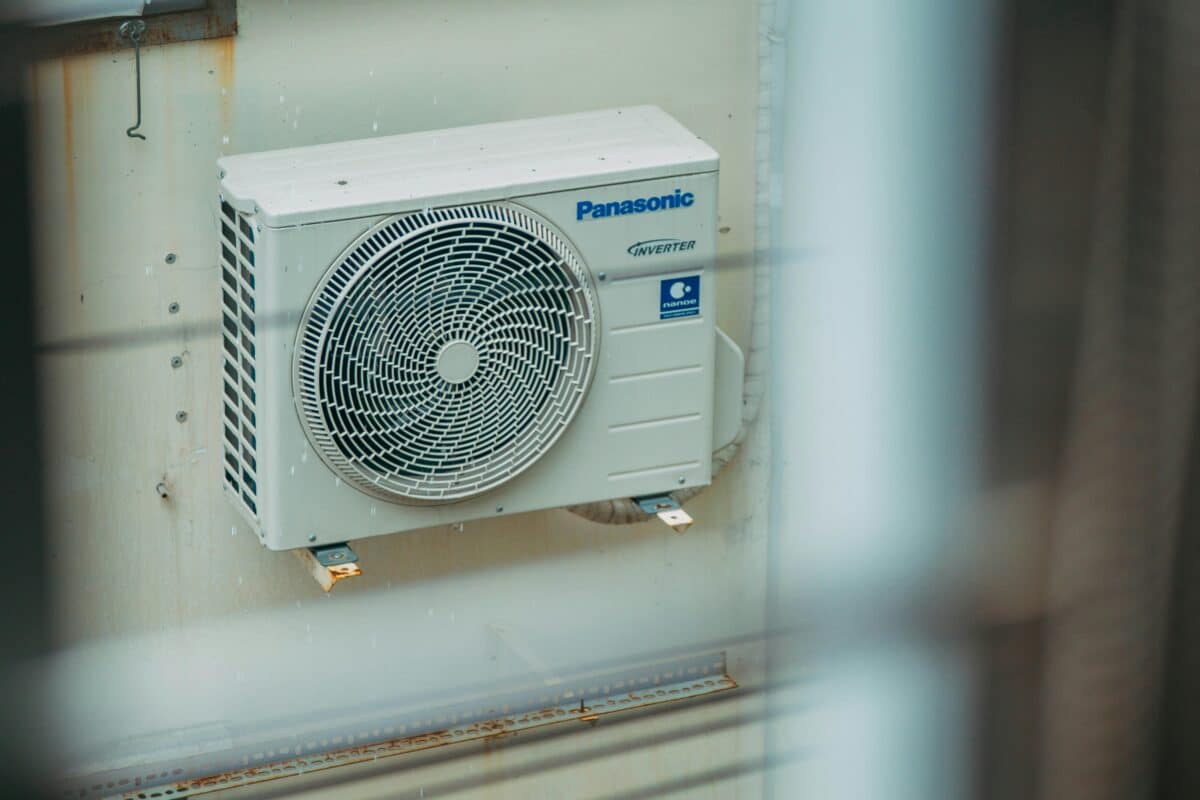
How large of a room can a 5,000 BTU air conditioner cool? A 5,000 BTU air conditioner is best suited for small rooms up to about 150 to 250 square feet, with ideal performance in spaces closer to 150 to 200 square feet. This makes it a practical option for bedrooms, home offices, guest rooms, or compact living areas. However, in larger or open spaces, it may struggle to keep up, especially during the hotter months in Camp Verde, AZ.
Choosing the right size AC is critical if you want consistent comfort and efficient cooling. A unit that is too small may run constantly without bringing the room to the temperature you want, while a properly sized unit can cool more evenly, improve comfort, and operate more efficiently.
What Does 5,000 BTU Actually Mean?
BTU stands for British Thermal Unit, which measures how much heat an air conditioner can remove from a space per hour. A 5,000 BTU unit has a limited cooling capacity, which is why it is designed for smaller rooms rather than large living areas or open floor plans.
Many homeowners assume a smaller unit will save energy, but that is not always true. If the unit is undersized for the space, it may work harder than necessary and still fail to cool the room properly.
Ideal Room Size for a 5,000 BTU Unit
A 5,000 BTU air conditioner usually works best in smaller enclosed areas such as bedrooms, small offices, compact living spaces, and guest rooms. For best performance, the room should typically be around 150 to 200 square feet.
While a 5,000 BTU unit can sometimes cool up to 250 square feet in ideal conditions, efficiency may drop as the space gets larger. If the room has an open layout, high ceilings, or strong afternoon sun, the air conditioner may not perform as well as expected.
Factors That Affect Cooling Performance
Room size is only part of the equation. Several other factors influence how well a 5,000 BTU unit will perform.
Ceiling Height
Higher ceilings increase the total volume of air that needs to be cooled. Even if the room’s square footage seems appropriate, extra ceiling height can make the unit work harder.
Insulation
Poor insulation allows cool air to escape and warm air to enter. This can reduce efficiency and make the room feel warmer than it should.
Sun Exposure
Rooms that receive direct sunlight for much of the day usually need more cooling power. In Camp Verde, AZ, sun exposure can make a noticeable difference in how well a small AC unit performs.
Number of Occupants
People naturally generate heat. If several people regularly use the same room, the air conditioner may need to work harder to maintain comfort.
Why a 5,000 BTU Unit May Struggle in Camp Verde, AZ
Camp Verde, AZ experiences strong summer heat, which increases the demand on any cooling system. A 5,000 BTU unit may struggle if the room gets heavy direct sunlight, has weak insulation, is larger than recommended, or has doors and windows that are opened frequently.
In these situations, the unit may run continuously without reaching the desired temperature. This can lead to uneven cooling, higher energy use, and unnecessary wear on the AC unit.
What Happens If the AC Is Too Small?
An undersized air conditioner can create several comfort and performance issues. It may run constantly, fail to cool the room evenly, use more energy than expected, and wear out faster over time.
Choosing a unit that is too small often leads to frustration because the room never feels consistently comfortable. In some cases, homeowners end up replacing the unit sooner than they expected because it cannot keep up with the cooling demand.
When to Choose a Larger Unit
If your room is close to or above 250 square feet, a larger unit may be the better choice. You may also need more cooling capacity if the room has high ceilings, large windows, poor insulation, or heavy afternoon sunlight.
Proper sizing helps improve temperature control, cooling speed, energy efficiency, and long-term system performance. A properly matched unit is usually more effective than trying to make a smaller unit do more than it was designed to handle.
Why Proper AC Sizing Matters
AC sizing is one of the most important factors in comfort and efficiency. Installing the wrong size system can lead to ongoing cooling problems and unnecessary AC repair concerns.
Fiscor Plumbing and Air helps homeowners in Camp Verde, AZ understand what size AC unit makes sense for their space, layout, and cooling needs. Proper sizing can help your system perform more reliably during peak summer heat.
Final Thoughts
A 5,000 BTU air conditioner is best suited for rooms between 150 and 250 square feet, with optimal performance in smaller enclosed spaces. In Camp Verde, AZ, factors like sunlight, insulation, and room layout can affect how well it performs.
If your space is larger or gains a lot of heat during the day, a bigger unit may be necessary to stay comfortable. Choosing the right size from the start helps protect comfort, efficiency, and long-term equipment performance.
Check out our FAQ: How Large of a Room Can a 5,000 BTU Air Conditioner Cool?
Watch our Video:
How Long Does It Take To Install An AC System?

How long does it take to install an AC system? Most AC installations take about 4 to 8 hours for a standard replacement, while new system installations usually take 1 to 2 days depending on the setup. If your home already has proper ductwork and electrical in place, the job is often completed the same day. More complex installs involving new ducts, upgrades, or system changes can take longer.
Understanding the timeline helps homeowners plan ahead and avoid surprises during an AC upgrade. Whether you are replacing an old unit or installing a brand new system, knowing what to expect can make the entire process smoother and less stressful.
Standard AC Replacement Timeline
If you are replacing an existing AC system with a similar setup, the process is usually straightforward. In many homes in Camp Verde, AZ, this type of installation can be completed within a single day.
A standard replacement typically includes removing the old unit, installing the new outdoor condenser, connecting indoor components, and testing the system. When everything is already in place, this process can often be completed in 4 to 8 hours.
New AC Installation Timeline
New AC installations take longer because additional work is required. This is common when installing central air in a home that did not previously have it or when making major system upgrades.
These projects may include installing new ductwork, upgrading electrical systems, modifying airflow design, and adding new components. Because of these added steps, new installations usually take 1 to 2 days to complete.
What Can Affect Installation Time
Not all installations are the same, and several factors can impact how long the job takes.
Ductwork condition plays a major role. If your duct system needs repair or replacement, installation time will increase. Electrical upgrades can also add time, especially in older homes that need panel improvements or wiring changes.
System type is another factor. Switching to a different system, such as a heat pump, may require additional setup. Home layout can also influence timing, as larger homes or complex designs may require more time for proper installation and testing.
Why Proper Installation Takes Time
Some homeowners expect a quick installation, but rushing the process can lead to long-term issues. Proper installation ensures your system runs efficiently and lasts as long as possible.
A professional installation includes correct system sizing, secure electrical connections, proper refrigerant levels, and airflow testing. Taking the time to complete these steps correctly helps prevent future performance problems and unnecessary repairs.
What Happens on Installation Day
On installation day, technicians arrive with all necessary equipment and begin by preparing the work area. The old system is safely removed, and the new system is installed and connected.
Once installation is complete, the system is tested to ensure proper cooling performance, correct airflow, and safe electrical operation. This final step ensures everything is working as expected before the job is finished.
Planning for Installation in Camp Verde, AZ
In Camp Verde, AZ, it is best to schedule AC installation before peak summer heat arrives. Waiting until temperatures rise can lead to longer wait times and limited scheduling availability.
Planning ahead allows you to avoid emergency replacements, choose the best system for your home, and schedule installation at a convenient time. Being proactive helps ensure a smoother and more efficient experience.
Why Professional Installation Matters
Even the best AC system will not perform properly if it is installed incorrectly. Poor installation can lead to reduced efficiency, uneven cooling, and frequent breakdowns.
Fiscor Plumbing and Air provides professional AC installation services in Camp Verde, AZ. Their team ensures every system is installed correctly, tested thoroughly, and ready to handle the demands of the local climate.
Final Thoughts
How long does it take to install an AC system? Most standard replacements take 4 to 8 hours, while new installations typically take 1 to 2 days depending on the complexity of the project. Proper installation is essential for long-term performance, energy efficiency, and reliable cooling in your home.
Check out our FAQ: How Long Does It Take To Install An AC System?
Watch our Video:
When you’re ready to upgrade your comfort, schedule your AC installation with Fiscor Plumbing and Air today. Their experienced team in Camp Verde, AZ will make sure your system is installed correctly, efficiently, and built to keep your home cool through the Arizona heat. Call Fiscor Plumbing and Air today to get started.
How Long Does a Heat Pump Typically Last?
How long does a heat pump typically last? Most heat pumps last about 10 to 15 years, but with proper maintenance and quality installation, some can last 20 years or more. Factors like climate, usage, and regular servicing all play a major role in how long the system performs efficiently. In Camp Verde, AZ, heat pumps work year-round for both heating and cooling, which can add extra wear if maintenance is neglected.
Knowing what affects lifespan helps you protect your investment and avoid unexpected breakdowns.
Why Heat Pump Lifespan Matters in Camp Verde, AZ
Heat pumps in Camp Verde, AZ operate differently than traditional systems. Instead of only running in one season, they are used for both heating and cooling throughout the year.
This constant use means more wear on components compared to systems that only run part of the year. Understanding this helps homeowners stay proactive with maintenance and plan ahead for replacement.
A well-maintained heat pump can deliver reliable comfort for many years, but neglect can shorten its lifespan significantly.
Average Lifespan of a Heat Pump
Most heat pumps fall into the 10 to 15 year lifespan range. This is considered standard for systems that receive routine maintenance and are installed correctly.
Some systems can last longer, especially when:
- Maintenance is performed regularly
- The system is properly sized
- Installation is done correctly
- Usage is consistent and not excessive
Reaching 20 years is possible, but it usually requires consistent care and ideal conditions.
What Affects How Long a Heat Pump Lasts
Several key factors determine how long your heat pump will perform efficiently.
Usage
Because heat pumps run year-round, heavy use can increase wear on components.
Maintenance
Regular servicing helps prevent buildup, electrical issues, and airflow problems that lead to early failure.
Installation Quality
Improper installation can cause inefficiency, strain, and reduced system life.
Climate Conditions
In Camp Verde, AZ, dust and dry air can impact system performance if not properly maintained.
Each of these factors plays a role in whether your system reaches the higher end of its lifespan.
Signs Your Heat Pump Is Near the End of Its Life
As your heat pump ages, it will begin to show signs of wear. Recognizing these early can help you avoid major breakdowns.
Common signs include:
- Reduced heating or cooling performance
- Rising energy bills
- Frequent repairs
- Unusual noises
- Difficulty maintaining consistent temperature
If your system is over 10 years old and showing several of these symptoms, it may be nearing replacement.
Energy Efficiency and Aging Systems
As heat pumps age, efficiency naturally declines. Components wear down, and the system must work harder to maintain the same level of comfort.
This leads to higher energy usage and increased utility bills. Newer systems are designed to be more efficient, which can provide long-term savings.
For homeowners in Camp Verde, AZ, where systems run throughout the year, efficiency plays a major role in overall operating cost.
How Maintenance Extends Heat Pump Life
Routine maintenance is one of the most effective ways to extend the life of your heat pump.
Regular service helps:
- Keep coils and components clean
- Maintain proper airflow
- Prevent electrical failures
- Identify small issues early
Homeowners who stay consistent with maintenance often get several additional years out of their system.
When to Repair vs Replace a Heat Pump
Deciding whether to repair or replace depends on the system’s age and condition.
Repair may make sense when:
- The system is under 10 years old
- The issue is minor
- Performance has been consistent
Replacement is often the better option when:
- The system is over 10 to 15 years old
- Repairs are becoming frequent
- Efficiency has dropped significantly
Planning ahead allows you to replace the system on your terms instead of during an emergency.
Why Professional Evaluation Matters
Every heat pump system is different. A professional inspection helps you understand your system’s condition and remaining lifespan.
Fiscor Plumbing and Air provides expert evaluations for homeowners in Camp Verde, AZ. Our team can assess performance, identify wear, and recommend whether repair or replacement makes the most sense for your home.
This ensures you make a confident decision without unnecessary costs.
Final Thoughts
How long does a heat pump typically last? Most systems last between 10 and 15 years, but with proper maintenance and quality installation, some can last 20 years or more. In Camp Verde, AZ, year-round use makes regular service even more important for protecting system life.
If your heat pump is aging or showing signs of wear, now is the time to take action before it fails.
Check out our FAQ: How Long Does a Heat Pump Typically Last?
Watch our Video:
How Long Do AC Air Handlers Typically Last?
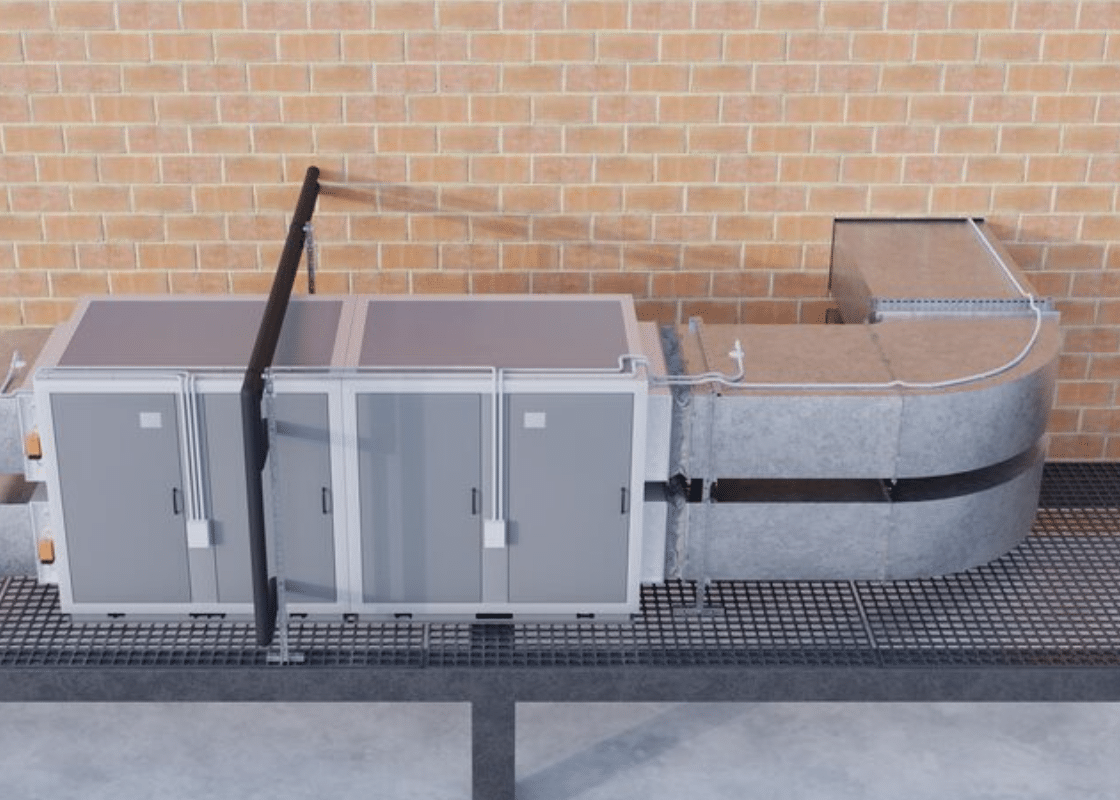
How long do AC air handlers typically last? AC air handlers typically last around 10 to 15 years, depending on maintenance, usage, and overall system conditions. Regular filter changes and annual service can extend their lifespan, while heavy use and poor maintenance can cause them to fail sooner. Signs like weak airflow, increased system strain, or frequent repairs often mean the unit is nearing the end of its life.
If your system is getting older, knowing what to expect can help you avoid sudden breakdowns.
Why Air Handler Lifespan Matters in Camp Verde, AZ
In Camp Verde, AZ, air conditioning systems run for long periods during the summer. While most homeowners focus on the outdoor unit, the indoor air handler plays an equally important role in comfort.
The air handler is responsible for moving cooled air throughout your home. When it begins to wear out, airflow suffers, efficiency drops, and your entire system has to work harder.
This is why understanding its lifespan is so important.
What Impacts the Lifespan of an Air Handler
Not all air handlers last the same amount of time. Several factors influence how long your system will perform reliably.
Maintenance
Regular service, including filter changes and inspections, is one of the biggest factors in extending lifespan.
Usage
Systems that run longer and more frequently, especially during extreme heat, tend to wear out faster.
Installation Quality
Improper installation can lead to airflow issues, electrical problems, and early failure.
Environmental Conditions
Dust and dry conditions in Camp Verde, AZ can cause buildup inside the system, affecting performance over time.
Taking care of these factors can add years to your air handler’s life.
Signs Your Air Handler Is Wearing Out
As your air handler approaches the end of its lifespan, it will begin to show warning signs. Recognizing these early can help you avoid major AC repair issues.
Common signs include:
- Weak or inconsistent airflow
- Increased system strain
- Unusual noises from the indoor unit
- Frequent breakdowns
- Difficulty maintaining indoor temperature
If you notice multiple symptoms, your system may be nearing replacement.
Weak Airflow and Comfort Issues
One of the most noticeable signs of a failing air handler is reduced airflow. If your vents are not pushing out enough air, your home may feel unevenly cooled.
This can be caused by worn blower motors, clogged components, or internal buildup. Weak airflow forces your system to run longer and reduces overall efficiency.
Reduced System Performance
As air handlers age, they become less effective. Worn components make it harder to move air through your home.
If your system seems to be running longer or struggling to maintain comfort, your air handler may be working harder than it should. This is often a sign that parts are wearing out and overall performance is declining.
Frequent Repairs and Maintenance Needs
If you find yourself scheduling AC repair more often, your air handler may be reaching the end of its service life. Occasional repairs are normal, but repeated issues usually indicate deeper problems.
At some point, continuing to repair an aging system becomes less practical than replacing it.
How Maintenance Extends Air Handler Life
Routine maintenance is one of the most effective ways to extend the life of your air handler.
Regular service helps:
- Keep components clean
- Maintain proper airflow
- Prevent electrical issues
- Catch small problems early
Homeowners in Camp Verde, AZ who keep up with maintenance often get closer to the full 15 year lifespan.
When to Repair vs Replace
Deciding between repair and replacement depends on the age of the system and the condition of its components.
Repair may make sense if:
- The system is under 10 years old
- The issue is minor
- Performance has been consistent
Replacement may be the better option if:
- The system is over 10 to 15 years old
- Repairs are becoming frequent
- Efficiency has noticeably dropped
A professional evaluation helps you make the right decision.
Why Professional Inspection Matters
Air handlers are complex systems with multiple components that must work together properly. Diagnosing issues without a full inspection can lead to unnecessary repairs or missed problems.
Fiscor Plumbing and Air provides thorough system evaluations for homeowners in Camp Verde, AZ. Our technicians can assess your air handler, identify signs of wear, and recommend whether AC repair or replacement is the best option.
Final Thoughts
How long do AC air handlers typically last? Most last between 10 and 15 years, but maintenance, usage, and environmental conditions can shorten or extend that range. In Camp Verde, AZ, heavy summer use makes routine service even more important.
If your air handler is showing signs of wear, now is the time to take action before it fails completely.
Check out our FAQ: How Long Do AC Air Handlers Typically Last?
Watch our Video:
If your air handler is getting older or showing signs of wear, don’t wait for a complete breakdown. Call Fiscor Plumbing and Air today to schedule your professional inspection and get clear, honest recommendations for your home.
What Are The Warning Signs That Your Furnace May Need To Be Replaced Soon?

What are the warning signs that your furnace may need to be replaced soon? Some of the most common signs include frequent furnace repair calls, increasing energy usage, strange noises or odors, and trouble keeping your home warm. If your system is over 15 years old, it’s more likely to lose efficiency and break down more often. Recognizing these warning signs early can help you avoid unexpected breakdowns and make a more informed decision about replacement.
Why Furnace Replacement Timing Matters in Camp Verde, AZ
In Camp Verde, AZ, furnaces are often used less frequently than in colder climates, which can make problems harder to notice until the system is pushed during a cold snap. When temperatures drop, a weak system may fail right when you need it most.
Replacing your furnace before it completely breaks down helps you avoid emergency situations, repeated repair issues, and uncomfortable nights without heat.
Frequent Furnace Repairs
If you find yourself scheduling furnace repair more often, it is a strong indication your system is wearing out. While occasional maintenance is normal, repeated service calls typically point to deeper mechanical issues.
As parts age and fail, the system becomes less reliable. Over time, the inconvenience and frequency of repeated repairs can outweigh the benefits of keeping the unit.
Increasing Energy Usage
An unexplained increase in your energy usage is another common warning sign. Older furnaces lose efficiency, meaning they need more energy to produce the same amount of heat.
This not only increases your monthly energy usage but also indicates the system is working harder than necessary. Replacing an inefficient furnace can improve performance and overall system reliability.
Strange Noises or Odors
Unusual sounds like banging, rattling, or squealing are not normal and often signal internal wear or damage. These noises may indicate failing components that could lead to a complete breakdown if ignored.
Odors can also be a concern. While some smells may be harmless, persistent or unusual odors should always be evaluated to ensure safe operation.
Uneven Heating and Comfort Issues
If certain rooms in your home are colder than others, your furnace may no longer be distributing heat effectively. This is often a sign of declining performance or internal system issues.
In Camp Verde, AZ, where nighttime temperatures can drop quickly, consistent heating is essential for comfort. Uneven heating is a clear indicator that your system may be nearing the end of its lifespan.
Furnace Age and Performance
Most furnaces have a lifespan of about 15 to 20 years. As systems age, they naturally become less efficient and more prone to breakdowns.
If your furnace is over 15 years old and experiencing multiple issues, replacement is often the more reliable long-term solution. Continuing to repair an aging system may only provide temporary relief.
Short Cycling and System Strain
Short cycling occurs when your furnace turns on and off frequently without completing a full heating cycle. This behavior puts additional strain on components and reduces efficiency.
Over time, short cycling can lead to more serious mechanical failures. Addressing this issue early can help prevent further damage and guide your decision toward replacement if necessary.
Making the Right Decision
Deciding between repair and replacement depends on several factors, including the system’s age, condition, and overall performance. A professional evaluation can provide clarity and help you weigh your options effectively.
Homeowners in Camp Verde, AZ can benefit from understanding these warning signs and acting early. Taking a proactive approach ensures your home stays comfortable and your heating system remains dependable.
Check out our FAQ: What Are The Warning Signs That Your Furnace May Need To Be Replaced Soon?Watch our Video:
If your furnace is showing signs of decline, don’t wait for a complete breakdown. Contact Fiscor Plumbing and Air today to schedule a professional furnace inspection and get expert guidance on whether repair or replacement is the best option for your home in Camp Verde, AZ.
How can you tell if your indoor air quality needs an air purifier?

How can you tell if your indoor air quality needs an air purifier? Many homeowners in Camp Verde, AZ do not realize their air quality is the issue until symptoms begin to affect comfort and health.
Common Signs of Poor Indoor Air Quality
Persistent allergy symptoms are one of the most noticeable warning signs. If you experience sneezing, congestion, or itchy eyes indoors, airborne particles like dust, pollen, or pet dander may be circulating through your home.
Frequent coughing or respiratory irritation can also indicate poor air quality. These symptoms often develop when contaminants are not being properly filtered out of the air.
Lingering odors are another indicator. If smells from cooking, pets, or stale air remain in your home, it may mean particles are not being effectively removed.
Dust Buildup and Air Circulation Issues
Visible dust buildup is a clear sign that your air quality may need improvement. If surfaces collect dust quickly after cleaning, it often means particles are continuously circulating through your home.
Standard HVAC filters help protect your system but may not capture smaller airborne particles. This allows contaminants to remain in circulation and affect overall comfort.
Why This Matters in Camp Verde, AZ
In Camp Verde, AZ, dust and dry conditions can significantly impact indoor air quality. Even well-maintained homes can experience buildup due to the local environment, making proper filtration especially important.
How an Air Purifier Helps
An air purifier can target smaller particles that standard filters miss. This helps reduce allergens, improve air freshness, and create a healthier indoor environment.
Check out our FAQ: How Can You Tell If Your Indoor Air Quality Needs An Air Purifier?
Watch our video :
Are Houses Actually Heated With Heat Pumps?
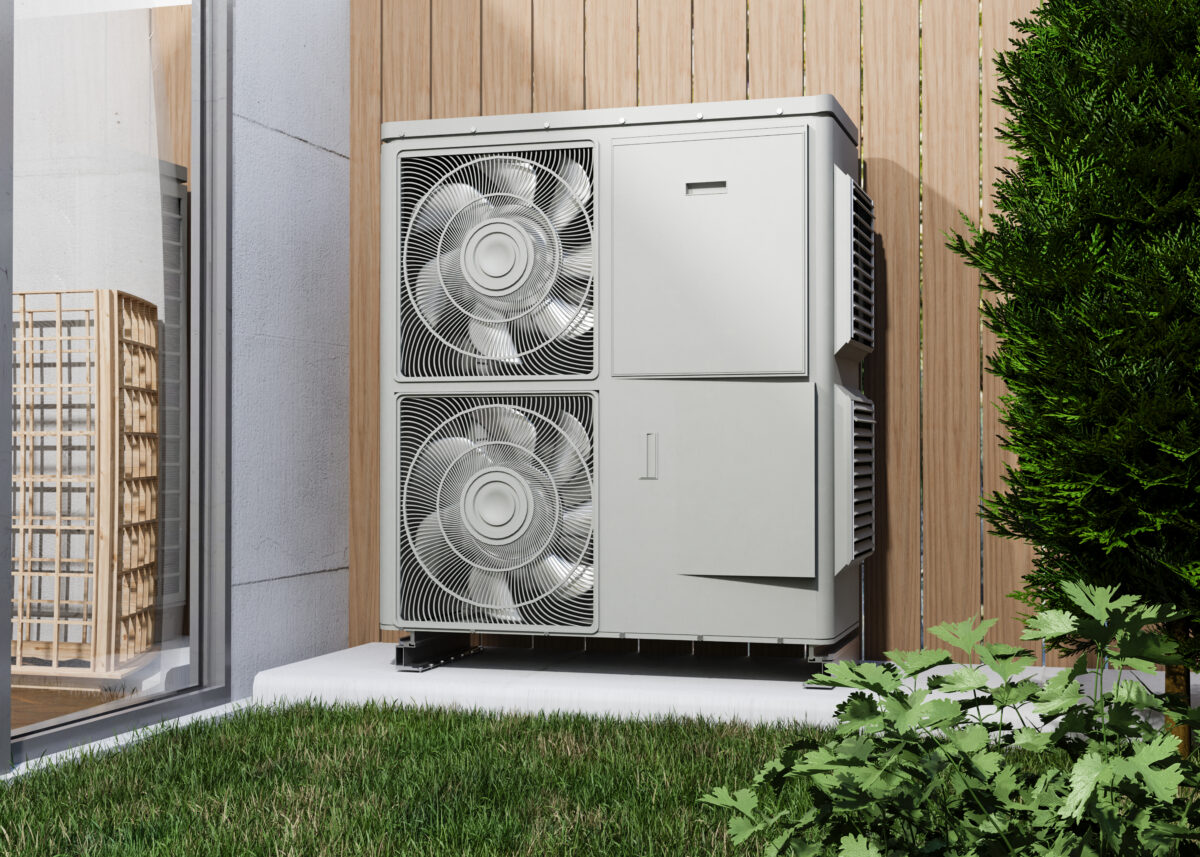
Are houses actually heated with heat pumps? This is a common question homeowners in Camp Verde, AZ ask when exploring more energy-efficient heating and cooling options for their home.
How Heat Pumps Work
Unlike traditional furnaces that generate heat, heat pumps move heat from the outside air into your home. Even when it feels cold outside, there is still heat energy available that the system can capture and transfer indoors.
Heating and Cooling in One System
One of the biggest advantages of a heat pump is that it provides both heating and cooling. During the summer, the system reverses and removes heat from your home, making it a complete year-round comfort solution.
Why Heat Pumps Work Well in Camp Verde, AZ
In Camp Verde, AZ, winters are relatively mild, which makes heat pumps especially effective. Most homes in this area can rely on a heat pump as their primary heating system without needing a separate furnace.
Energy Efficiency Benefits
Heat pumps are known for their energy efficiency because they move heat instead of creating it. This can lead to lower energy usage, more consistent indoor temperatures, and improved overall comfort compared to traditional systems.
Choosing the Right System
The performance of a heat pump depends on factors like home size, insulation, and system design. Proper installation ensures reliable operation and long-term efficiency.
Check out our FAQ: Are Houses Actually Heated With Heat Pumps?
Watch our video :
Are furnace air cleaners worth it?
Are furnace air cleaners worth it? This is a common question homeowners in Camp Verde, AZ ask when trying to improve indoor air quality and overall home comfort.
How Furnace Air Cleaners Work
Furnace air cleaners are designed to work with your HVAC system to filter air as it circulates throughout your home. Unlike basic filters, they capture smaller particles like dust, pollen, and pet dander more effectively.
Benefits for Whole Home Air Quality
One of the biggest advantages is whole-home coverage. Instead of cleaning the air in just one room, furnace air cleaners improve air quality throughout your entire house.
When an Upgrade Makes Sense
If you are dealing with allergies, constant dust, or stale indoor air, upgrading your filtration system can make a noticeable difference. These systems can also help reduce buildup inside your HVAC system, improving performance over time.
Considerations for Camp Verde, AZ
In Camp Verde, AZ, dust and dry conditions can impact indoor air quality year round. This makes furnace air cleaners a valuable upgrade for many homeowners looking for consistent air quality improvement.
Is It the Right Choice for You?
While furnace air cleaners offer strong benefits, they may not be necessary for every home. If your indoor air quality is already good, a high-quality standard filter may still be sufficient.
Check out our FAQ: Are furnace air cleaners worth it?
Watch our video :