How can you tell if your indoor air quality needs an air purifier? Many homeowners in Camp Verde, AZ do not realize their air quality is the issue until symptoms begin to affect comfort and health.
Common Signs of Poor Indoor Air Quality
Persistent allergy symptoms are one of the most noticeable warning signs. If you experience sneezing, congestion, or itchy eyes indoors, airborne particles like dust, pollen, or pet dander may be circulating through your home.
Frequent coughing or respiratory irritation can also indicate poor air quality. These symptoms often develop when contaminants are not being properly filtered out of the air.
Lingering odors are another indicator. If smells from cooking, pets, or stale air remain in your home, it may mean particles are not being effectively removed.
Dust Buildup and Air Circulation Issues
Visible dust buildup is a clear sign that your air quality may need improvement. If surfaces collect dust quickly after cleaning, it often means particles are continuously circulating through your home.
Standard HVAC filters help protect your system but may not capture smaller airborne particles. This allows contaminants to remain in circulation and affect overall comfort.
Why This Matters in Camp Verde, AZ
In Camp Verde, AZ, dust and dry conditions can significantly impact indoor air quality. Even well-maintained homes can experience buildup due to the local environment, making proper filtration especially important.
How an Air Purifier Helps
An air purifier can target smaller particles that standard filters miss. This helps reduce allergens, improve air freshness, and create a healthier indoor environment.
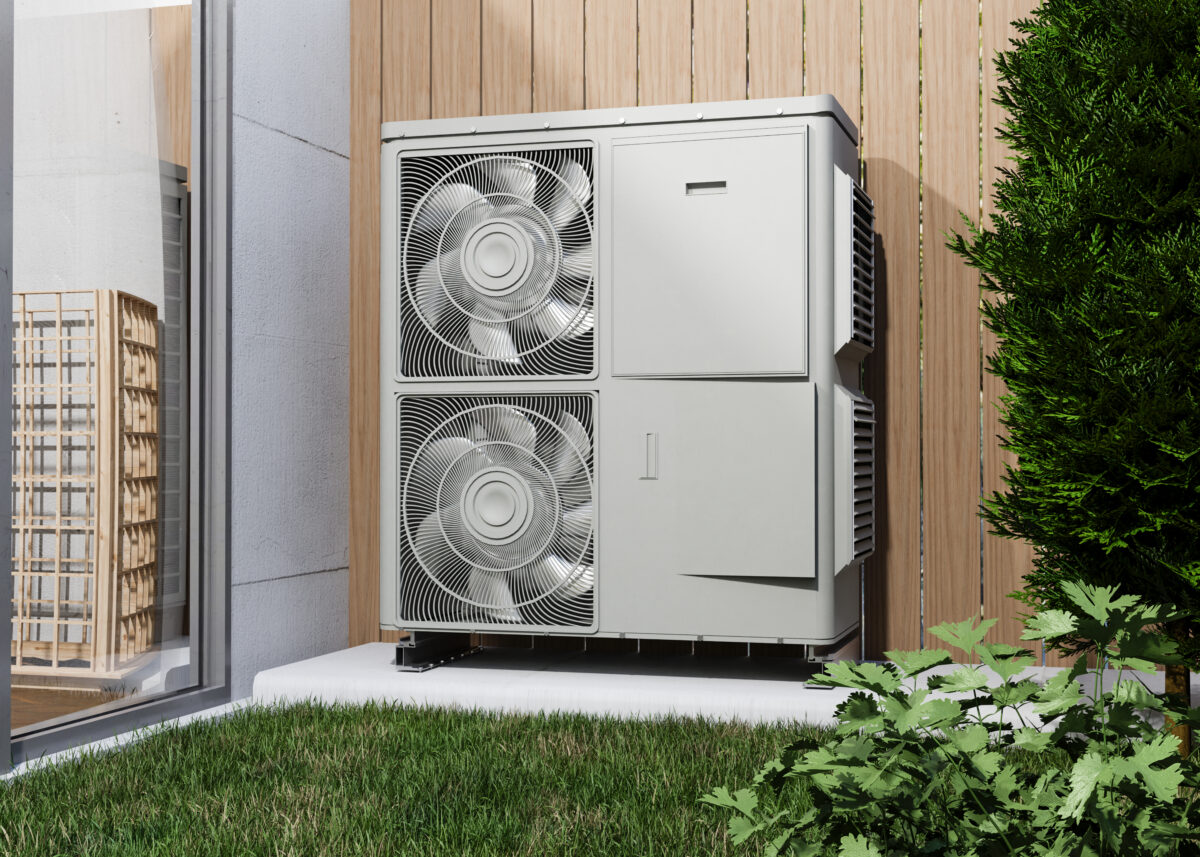
Are houses actually heated with heat pumps? This is a common question homeowners in Camp Verde, AZ ask when exploring more energy-efficient heating and cooling options for their home.
How Heat Pumps Work
Unlike traditional furnaces that generate heat, heat pumps move heat from the outside air into your home. Even when it feels cold outside, there is still heat energy available that the system can capture and transfer indoors.
Heating and Cooling in One System
One of the biggest advantages of a heat pump is that it provides both heating and cooling. During the summer, the system reverses and removes heat from your home, making it a complete year-round comfort solution.
Why Heat Pumps Work Well in Camp Verde, AZ
In Camp Verde, AZ, winters are relatively mild, which makes heat pumps especially effective. Most homes in this area can rely on a heat pump as their primary heating system without needing a separate furnace.
Energy Efficiency Benefits
Heat pumps are known for their energy efficiency because they move heat instead of creating it. This can lead to lower energy usage, more consistent indoor temperatures, and improved overall comfort compared to traditional systems.
Choosing the Right System
The performance of a heat pump depends on factors like home size, insulation, and system design. Proper installation ensures reliable operation and long-term efficiency.
Are furnace air cleaners worth it? This is a common question homeowners in Camp Verde, AZ ask when trying to improve indoor air quality and overall home comfort.
How Furnace Air Cleaners Work
Furnace air cleaners are designed to work with your HVAC system to filter air as it circulates throughout your home. Unlike basic filters, they capture smaller particles like dust, pollen, and pet dander more effectively.
Benefits for Whole Home Air Quality
One of the biggest advantages is whole-home coverage. Instead of cleaning the air in just one room, furnace air cleaners improve air quality throughout your entire house.
When an Upgrade Makes Sense
If you are dealing with allergies, constant dust, or stale indoor air, upgrading your filtration system can make a noticeable difference. These systems can also help reduce buildup inside your HVAC system, improving performance over time.
Considerations for Camp Verde, AZ
In Camp Verde, AZ, dust and dry conditions can impact indoor air quality year round. This makes furnace air cleaners a valuable upgrade for many homeowners looking for consistent air quality improvement.
Is It the Right Choice for You?
While furnace air cleaners offer strong benefits, they may not be necessary for every home. If your indoor air quality is already good, a high-quality standard filter may still be sufficient.
Are air scrubbers better than air purifiers? This is a common question homeowners in Camp Verde, AZ ask when trying to improve indoor air quality and reduce dust, allergens, and odors in their home.
Key Differences Between Air Scrubbers and Air Purifiers
Air purifiers are designed to clean the air in a single room. They work by filtering airborne particles like dust, pollen, and allergens using internal filters.
Air scrubbers, on the other hand, connect directly to your HVAC system and treat all the air moving through your home. Many systems also help reduce contaminants on surfaces, not just in the air.
Whole Home vs Targeted Air Cleaning
Air purifiers are a good option for improving air quality in smaller spaces like bedrooms or offices. They are simple to install and effective for mild air quality concerns.
Air scrubbers provide whole home coverage, making them a stronger solution for widespread issues such as persistent odors, bacteria, or ongoing indoor air quality problems.
Why This Matters in Camp Verde, AZ
In Camp Verde, AZ, dust and dry conditions can affect indoor air quality throughout the entire home. A whole home solution like an air scrubber can help maintain more consistent air quality across every room.
Choosing the Right Option
The best choice depends on your specific needs. If you are dealing with localized air quality issues, a purifier may be enough. If the problem affects your entire home, an air scrubber is often the better long-term solution.
What is the most reliable furnace brand? Brands like Trane and Carrier are often considered among the most reliable furnace manufacturers, with Lennox also ranking high for performance and efficiency. Other dependable options include Goodman, Amana, and Rheem, each offering different price points and warranty coverage. However, proper installation and routine furnace repair and maintenance matter just as much as the brand name on the unit.
Brand Reputation vs Installation Quality
Many homeowners assume that choosing a premium brand guarantees long term reliability. While manufacturers such as Trane, Carrier, and Lennox are known for durability, even the best equipment can fail early if it is not installed correctly. Proper airflow, correct gas pressure, safe venting, and accurate electrical connections all affect system performance.
The Importance of Proper Sizing
A furnace that is too large may short cycle, turning on and off frequently and increasing wear on components. A furnace that is too small may run constantly and struggle to maintain comfort. Professional load calculations ensure the system matches your home’s heating needs and improves long term reliability.
Maintenance Matters
Routine furnace repair and maintenance play a major role in how long your system lasts. Annual inspections help identify worn components, dirty burners, and airflow restrictions before they lead to breakdowns. Regular service helps extend lifespan and maintain efficiency.
Camp Verde, AZ Climate Considerations
In Camp Verde, AZ, furnaces may sit unused for long periods and then operate steadily during colder nights. Systems that are improperly installed or neglected can develop problems quickly. A properly installed and well maintained system will perform more reliably regardless of brand.
How do you know when your furnace needs a good cleaning?
How do you know when your furnace needs a good cleaning? You can often tell by changes in how your system smells, sounds, and performs. Common warning signs include musty or burning odors, unusual noises, uneven heating, rising energy bills, and weak airflow from your vents. These issues are usually caused by dust and debris buildup inside the system. When airflow is restricted, your furnace has to work harder to heat your home, which can reduce efficiency and increase wear on components.
In Camp Verde, AZ, furnaces often sit unused for long periods and collect dust
when the system turns on during colder nights, that buildup can immediately impact performance and indoor air quality.
Musty or burning smells are often the first signs homeowners notice. While a slight odor at the start of the season can be normal, persistent smells may indicate that dust has accumulated inside the system and needs to be cleaned.
Unusual noises such as rattling or squealing
can also signal that debris is affecting internal parts. Over time, this can lead to more serious mechanical issues if not addressed.
Uneven heating and weak airflow are additional indicators that your system is struggling. When airflow is restricted, some rooms may not receive enough warm air, leading to inconsistent temperatures throughout your home.
Higher energy bills can also point to a dirty system
As the furnace works harder to maintain temperature, it uses more energy than necessary. Regular maintenance and cleaning help keep your system running efficiently and reduce the risk of unexpected breakdowns.
When did air conditioners stop using freon? Homeowners in Camp Verde, AZ often ask this when their air conditioner needs a refrigerant recharge or major repair. Understanding the Freon phase out can help you make informed decisions about whether to repair or replace an aging system.
Air conditioners stopped using R-22 Freon in new systems beginning in 2010. Production and import of R-22 were fully banned on January 1, 2020. This means any AC system installed after 2010 uses a different refrigerant, while older systems still operating on Freon now rely only on recycled or reclaimed supplies.
Why R-22 Freon Was Phased Out
R-22 was widely used for decades in residential air conditioning systems. However, it was found to contribute to ozone depletion. Federal regulations required manufacturers to transition to more environmentally friendly refrigerants.
The phase out occurred in stages. After 2010, manufacturers could no longer produce new systems using R-22. By 2020, production and import of R-22 were completely banned in the United States.
What Refrigerant Replaced Freon?
Most systems manufactured after 2010 use R-410A or another approved refrigerant. These refrigerants do not damage the ozone layer and operate at different pressures than R-22 systems. Because of this, older Freon based systems cannot simply be converted without significant modification.
How the Phase Out Affects Repair Costs
Since R-22 is no longer produced or imported, only recycled supplies are available. Limited availability has increased the cost of refrigerant. If your system develops a leak, recharging it can be expensive.
In Camp Verde, AZ, where AC systems run for extended periods during hot summers, older Freon based units may require more frequent service. When refrigerant costs rise, homeowners often consider replacement instead of another repair.
When Replacement Makes Sense
If your system is more than 12 to 15 years old and requires a refrigerant related repair, replacement may be the more practical long term investment. Newer systems offer improved efficiency, updated technology, and compatibility with current refrigerants.
Is a 3 ton AC too big for 1,500 square feet? In many cases, a 3 ton AC is properly sized for a 1,500 square foot home, but square footage alone does not determine the correct system size. Insulation, ceiling height, window placement, sun exposure, duct design, and local climate all play important roles in accurate AC sizing.
What Does a 3 Ton AC Mean?
Tonnage refers to cooling capacity, not weight. One ton equals 12,000 BTUs per hour, so a 3 ton AC delivers about 36,000 BTUs of cooling capacity. For many homes around 1,500 square feet, this can fall within a common sizing range. However, additional factors must be evaluated before confirming whether it is the right fit.
Why Square Footage Is Only a Starting Point
Proper sizing requires considering:
Insulation levels Ceiling height Number and size of windows Sun exposure Ductwork layout and airflow Number of occupants
Two homes with the same square footage in Camp Verde, AZ can have very different cooling demands based on these variables.
What Happens If the AC Is Too Big?
An oversized air conditioner cools the home quickly and shuts off before completing a full cycle. This short cycling can cause uneven temperatures, higher indoor humidity, increased wear on components, and higher energy bills.
In Camp Verde, AZ, where summer temperatures are intense, short cycling can reduce overall comfort and system efficiency.
What Happens If the AC Is Too Small?
An undersized system may run continuously during peak heat and still struggle to maintain the desired temperature. This constant operation increases strain on the compressor and can shorten the lifespan of the unit.
The Importance of a Professional Load Calculation
The only reliable way to determine whether a 3 ton AC is appropriate for a 1,500 square foot home is through a professional load calculation, often called a Manual J calculation. This evaluation considers heat gain, insulation, windows, airflow, and local climate conditions.
Accurate sizing ensures balanced cycles, consistent temperatures, and better long term performance.
Why Climate Matters in Camp Verde, AZ
Camp Verde, AZ experiences high desert temperatures that place real demand on cooling systems. Because of this, even small sizing errors can lead to noticeable comfort and efficiency problems. Working with a local professional ensures your system is designed for the demands of the region.
Final Thoughts
Is a 3 ton AC too big for 1500 square feet? It can be appropriate in many cases, but only a proper load calculation can confirm the correct size. Oversizing and undersizing both create long term performance issues.
Does homeowners insurance cover AC unit repairs? Homeowners insurance may cover AC unit repairs if the damage is caused by a covered loss such as fire, lightning, or certain storms listed in your policy. However, insurance does not typically pay for breakdowns caused by normal wear and tear, aging equipment, or lack of maintenance. That means if your system simply stops working during the summer heat, the repair is often the homeowner’s responsibility.
Before filing a claim, it is important to understand what caused the failure and whether it qualifies under your policy.
Why This Question Matters in Camp Verde, AZ
In Camp Verde, AZ, air conditioners run hard during long, hot summers. When an AC suddenly stops cooling, many homeowners immediately wonder if insurance will help cover the cost.
The reality is that most AC failures are mechanical, not catastrophic. Insurance policies are designed to cover sudden and accidental damage, not gradual system decline. Knowing the difference can save you time and frustration.
When Homeowners Insurance May Cover AC Repairs
Homeowners insurance typically covers damage caused by specific perils listed in your policy. These are unexpected events, not equipment breakdowns.
Examples that may be covered include:
Fire damaging the outdoor unit Lightning strikes causing electrical failure Windstorms damaging the condenser Falling objects damaging the system
If your AC was damaged directly by one of these events, your insurance may help pay for repair or replacement after your deductible is met.
When Insurance Does Not Cover AC Repairs
Most AC issues fall into the non covered category. Insurance generally does not pay for:
Compressor failure due to age Worn capacitors or contactors Refrigerant leaks caused by corrosion Electrical component wear Systems that stop working from normal use
If your AC simply fails during peak summer temperatures, it is usually considered standard wear and tear. In these cases, repair is the homeowner’s responsibility.
The Importance of Maintenance
Maintenance plays a larger role than many homeowners realize. If an insurance company determines that the failure resulted from neglect or lack of service, a claim may be denied.
Routine maintenance helps reduce breakdowns and provides documentation showing that the system was properly cared for. While maintenance will not guarantee coverage, it helps protect your investment and reduces the need for emergency air conditioning repair.
Should You File a Claim for AC Repair?
Even when damage appears related to a covered event, filing a claim is not always the best financial move. Deductibles, possible premium increases, and claim limits should all be considered.
For minor AC repairs, paying out of pocket is often more practical than filing a claim. Insurance is typically better suited for major damage rather than routine system failures.
What to Do Before Contacting Your Insurance Company
Before calling your insurance provider, the first step should be a professional inspection. Determining the exact cause of the AC failure is critical.
A licensed technician can:
Identify whether damage appears sudden or age related Document visible storm or lightning damage Provide written repair estimates Explain whether the issue is mechanical wear
This information gives you clarity before making any insurance decisions.
Fiscor Plumbing and Air provides detailed inspections for homeowners in Camp Verde, AZ so you can understand exactly what happened and what your next step should be.
The Role of Climate in AC Wear
In Camp Verde, AZ, long cooling seasons naturally shorten system lifespan. Heavy usage increases stress on compressors, motors, and electrical components. Many systems fail simply because they have reached the end of their service life.
This type of failure is rarely covered by homeowners insurance. That is why proactive maintenance and timely repair are so important in our local climate.
Final Thoughts
Does homeowners insurance cover AC unit repairs? Sometimes, but only when damage is caused by a covered event such as fire, lightning, or storm damage. Most common AC breakdowns caused by wear, age, or maintenance issues are not covered.
What does AC maintenance involve and why is it so important for homeowners in Camp Verde, AZ? AC maintenance involves a full system inspection, cleaning, and performance check to keep your unit running efficiently and safely. During a professional tune up, a technician will clean the coils, inspect or replace the air filter, check refrigerant levels, examine electrical connections, clear the condensate drain, and test system controls. Regular AC maintenance helps prevent breakdowns, improve airflow, and extend the life of your system, especially during the long cooling season in Camp Verde, AZ.
If you want to avoid emergency ac repair in the middle of summer, maintenance is not optional. It is essential.
Why AC Maintenance Matters in Camp Verde, AZ
In Camp Verde, AZ, air conditioners run hard for months at a time. Long cooling seasons mean more wear on motors, capacitors, compressors, and electrical components. Without routine service, small issues build up quickly and turn into expensive failures.
Dust, debris, and desert conditions also impact system performance. Dirty coils and restricted airflow reduce efficiency and force your AC to work harder than necessary. That extra strain increases energy bills and shortens equipment lifespan.
Routine maintenance is how you stay ahead of those problems.
Full System Inspection
A professional AC maintenance visit begins with a complete system inspection. This includes evaluating the indoor and outdoor components to ensure everything is operating properly.
Technicians look for:
Signs of worn or damaged parts
Loose electrical connections
Corrosion or buildup
Unusual noise or vibration
Catching minor issues early prevents major air conditioning repair costs later.
Cleaning the Coils
Evaporator and condenser coils are critical to heat transfer. When coils are dirty, your system cannot release or absorb heat effectively. This reduces cooling performance and increases energy usage.
During maintenance, coils are cleaned to remove dust and buildup. Clean coils help your AC cool faster, run more efficiently, and reduce strain on the compressor.
In Camp Verde’s dusty environment, coil cleaning is especially important.
Checking and Replacing the Air Filter
A clogged air filter restricts airflow and makes your system work harder. Reduced airflow can lead to uneven cooling, frozen coils, and premature component wear.
As part of AC maintenance, the technician inspects the air filter and replaces it if needed. Proper airflow improves efficiency, indoor air quality, and overall system performance.
Refrigerant Level Check
Refrigerant is essential for cooling. If levels are low, your AC may struggle to maintain temperature and run longer cycles. Low refrigerant can also indicate a leak, which requires professional attention.
During maintenance, refrigerant levels are checked to ensure they meet manufacturer specifications. This helps prevent unnecessary ac repair and protects the compressor from damage.
Electrical Component Inspection
Your air conditioner relies on multiple electrical components to function safely. Capacitors, contactors, wiring, and connections must all be secure and operating within proper limits.
Technicians test voltage, inspect wiring, and tighten connections where needed. Electrical issues are one of the most common causes of AC breakdowns, and routine inspection significantly reduces risk.
Clearing the Condensate Drain
As your AC removes humidity from the air, condensation forms and drains away through a condensate line. If this line becomes clogged, water can back up into your system or home.
Part of professional AC maintenance includes clearing and testing the condensate drain to prevent leaks, water damage, and mold growth.
Testing System Controls and Performance
After cleaning and inspecting the system, technicians test overall operation. This includes verifying thermostat function, startup performance, shutoff controls, and airflow output.
Performance testing ensures your AC starts properly, cools efficiently, and cycles as designed. Identifying irregular operation early can prevent mid-season failures.
How Often Should AC Maintenance Be Done?
Most manufacturers recommend AC maintenance once per year, ideally before peak summer temperatures arrive. In Camp Verde, AZ, scheduling service in the spring helps ensure your system is ready for heavy summer use.
Skipping annual maintenance may void warranties and increase the likelihood of unexpected breakdowns.
A well maintained system not only performs better but also protects your investment long term.
Why Professional Service Makes the Difference
While homeowners can change filters regularly, full AC maintenance requires professional tools and training. Proper coil cleaning, refrigerant checks, and electrical testing must be handled by licensed technicians.
Fiscor Plumbing and Air provides comprehensive tune ups for homeowners in Camp Verde, AZ. Our maintenance service is designed to catch small issues before they become costly problems and keep your system operating at peak performance throughout the cooling season.
Final Thoughts
What does AC maintenance involve? It includes a full inspection, coil cleaning, filter replacement, refrigerant check, electrical testing, condensate drain clearing, and performance verification. These steps work together to prevent breakdowns, improve efficiency, and extend the life of your system.
If your AC has not been serviced recently, now is the time to act before the next heat wave puts it to the test.