24/7 Emergency Service

Pros & Cons of Mini-Splits: Are They Worth It?

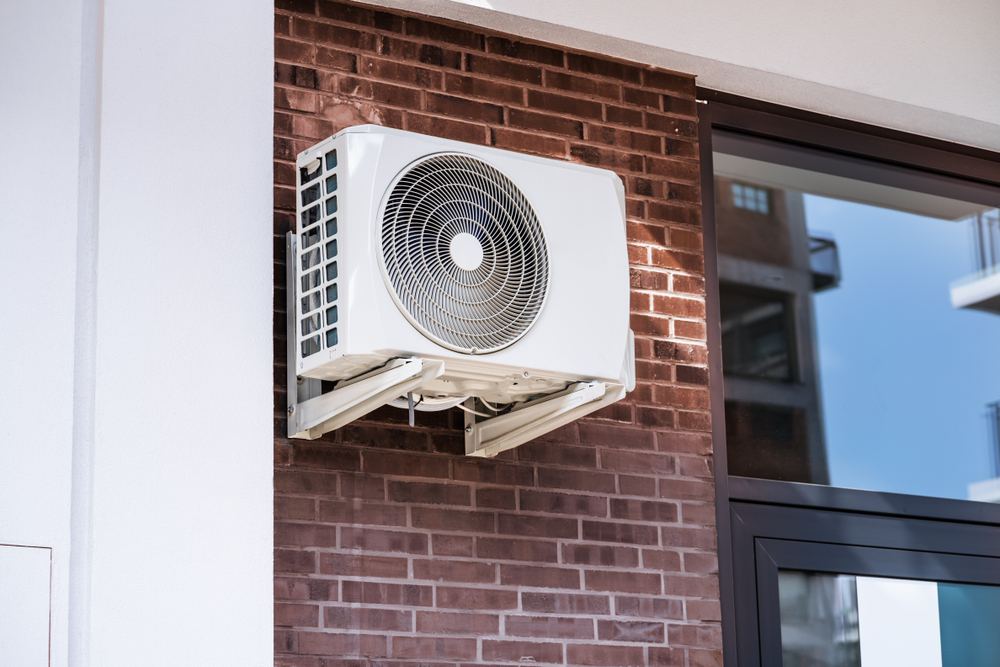
Mini-splits are a great option for those wanting a more flexible heating and cooling system — however, despite their many benefits, a ductless HVAC system may not be right for everyone. If you’re interested in mini-split units and would like to know if they’re a good fit for you, here are three pros and cons of these ductless HVAC systems.

Mini-Split Pros

Greater Temperature Control

Compared to a traditional HVAC system, a mini-split offers superior temperature control. They allow for different zoning capabilities, enabling different temperatures in individual rooms. This is particularly beneficial in environments with varying heating or cooling needs across the entire home.

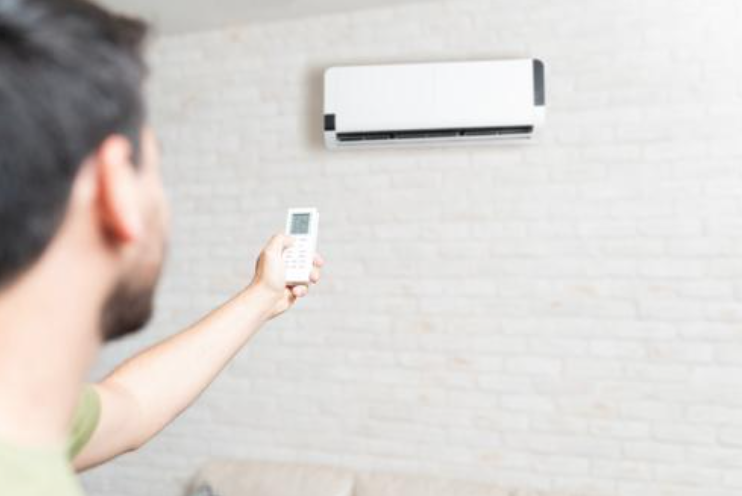
Each indoor unit of the ductless mini-split systems can be controlled independently, often with a remote control, providing precise temperature management and the comfort of conditioned air exactly where it’s needed. This zone control not only contributes to a more comfortable living space but also helps in reducing energy consumption, as only the areas in use are heated or cooled.

No Need for Ductwork

Ductless mini-split AC systems stand out for their ease of installation, especially in buildings without existing ductwork. Traditional air conditioning systems often require extensive ductwork, which can be invasive and costly to install, particularly in older buildings or homes not originally designed for such systems. 

In contrast, ductless mini-split systems only require small holes to be drilled for the refrigerant lines, making them far less intrusive. This feature makes mini-splits a versatile choice for retrofitting older buildings with an efficient HVAC system or for supplementing an existing HVAC system. The minimal installation requirements also make mini-splits a viable option for spaces where conventional ducted systems are impractical or too expensive to install.

Energy Efficiency

Energy efficiency is another major advantage of ductless mini-split systems. They are significantly more energy-efficient than traditional HVAC systems — primarily due to the absence of ducts, which are known for energy loss in conventional systems. By eliminating ductwork, mini-splits reduce the energy loss associated with air traveling through long ducts, leading to lower utility bills.

Furthermore, the inverter technology commonly used in mini splits allows the system to adjust its power output to the exact requirement of the room and reduce unnecessary energy consumption. This efficiency benefits both you and the environment, as it translates into cost savings on energy bills.

Mini-Split Cons

Installation Cost

One of the potential drawbacks of mini-split systems is their higher installation costs. The initial investment for a ductless system, including both the indoor and outdoor units, can be significant. 

This cost is often higher due to the complexity of the system, the need for professional installation, and the price of the main components, such as the heat pump and refrigerant lines. While the long-term energy savings and efficiency can offset these costs, the upfront expense can be a barrier for some homeowners, which makes mini-splits less accessible compared to more affordable cooling systems like window AC units.

Appearance

The appearance of mini-split systems can be a con for some. Unlike traditional HVAC systems that are often hidden away, the indoor units of ductless mini-splits are visible within the living space. This can be a concern for those who prioritize interior aesthetics and design, as the units may not seamlessly integrate with the room’s decor.

While there are a variety of designs available and some units are sleeker and less obtrusive, the presence of an indoor unit mounted on the wall or ceiling is still noticeable. This visible aspect of mini-splits contrasts with the hidden nature of ducted systems and can be a deciding factor for those with specific design preferences.

Maintenance

While ductless mini-splits generally require less maintenance than traditional HVAC systems, they still need regular attention to keep running efficiently. Cleaning the air filters and checking refrigerant levels are crucial tasks that cannot be overlooked and must be done routinely.

Additionally, the outdoor units must be kept free from debris, and the electrical components need periodic inspections. Failure to maintain these systems can lead to reduced efficiency and a shorter lifespan for the unit. This requirement for ongoing maintenance can be a disadvantage for those who prefer a more ‘set and forget’ approach to their heating and cooling needs.

If You’re Interested in a Mini-Split System, Call Us Today

At Fiscor Plumbing and Air, we help clients install and replace mini-splits across many Arizona locations. In addition, we also offer mini-split repairs, maintenance, and services for other HVAC systems as well. Reach out today to learn more about mini-splits and our installation services.

5 Signs You Should Replace Your HVAC System

Nothing lasts forever — especially not HVAC systems. As time passes, reliable air conditioners and heaters will eventually reach the end of their life and no longer provide the same level of comfort they once did. Old heating and cooling systems can cause a variety of other problems, meaning that it’s a good idea to schedule a replacement when you suspect your unit is past its prime. If you’re wondering whether or not it’s time to plan an installation for your home, here’s a look at five signs you should replace your HVAC system.

High Energy Bills

When your energy bills rise without explanation, it can be a signal that your HVAC system is losing efficiency, leading to higher energy costs. An aging system struggles to maintain the desired indoor air quality — causing the air conditioning unit to work harder and consume more energy. 

Replacing your HVAC system with a new, energy-efficient model can reduce utility bills significantly. A new system will operate more effectively by using less energy to produce warm or cool air, ultimately offering a more sustainable solution for your heating and cooling needs.

Poor Performance

A decline in performance — marked by an air conditioner blowing warm air or exhibiting weak airflow — indicates it may be time to replace your HVAC system. Factors such as a clogged air filter or a refrigerant leak can impair an air conditioning system’s ability to deliver cool air efficiently. 

As such, upgrading to a new heating or air conditioning system ensures that major components function properly, restoring the capability to maintain comfortable temperatures and improve the overall cooling system’s effectiveness.

Constant Repairs

If an HVAC system needs constant repairs to remain operational, it may have underlying issues that might warrant a complete replacement. Frequent repairs not only add to the overall cost but also indicate that the system’s major components may be failing. 

Investing in a completely new heating and cooling system can alleviate the need for continual maintenance, providing a more reliable and cost-effective solution for your air conditioning needs. A new unit offers improved durability and performance, reducing the likelihood of frequent breakdowns.

Strange and Loud Noises

Loud and unusual sounds coming from an HVAC system, such as banging, screeching, or hissing, can be alarming and suggest serious problems. These noises often point to issues within the air conditioning unit, like a failing motor or a loose component. 

Ignoring these sounds can lead to more significant damage, necessitating a complete replacement. Installing a new HVAC system eliminates these concerns, ensuring quiet operation and the efficient delivery of warm or cool air through the air conditioner vents.

Short Cycling Issues

Short cycling, where an HVAC system repeatedly turns on and off over short periods, drastically reduces its efficiency and can lead to excess humidity and poor airflow within a home. This issue is often caused by an improperly sized AC unit or a malfunctioning thermostat. 

Whatever the case may be, it places undue stress on the system and increases energy costs. Replacing your old HVAC system with a new one that is correctly sized for your space can prevent short cycling, enhance indoor comfort, and lower energy bills.

Schedule an HVAC Replacement for Your Home Today

Whether you need a new heating or AC system, a skilled HVAC technician from our team will be happy to help. At Fiscor Plumbing and Air, we’re proud to offer AC replacements, heating replacements, mini-split replacements, and more so that your home can stay safe and comfortable.

Homeowners Guide for HVAC Systems

When your heating or cooling system breaks and you need to install a new one, deciding on a replacement can be difficult — especially given how many HVAC systems are available. However, understanding how heating and air conditioning units differ from each other can make the selection process much easier. 

If you’re in the market for a new heating and cooling system or simply want to learn more about them, our HVAC system guide will have the information you need to make an informed decision.

Heating Systems

Heating systems play a central role in maintaining comfort during the colder months of the year. The most common types include forced air systems and boilers that heat water for steam radiators, which are also known as radiant heat systems.

Choosing the right one for your home depends on various factors such as climate, energy efficiency, and home size. For instance, in colder regions, a boiler or a forced air system might be more effective. Consulting with an HVAC technician who can assess your heating and cooling needs ensures that you can find an HVAC unit that satisfies your particular needs.

Air Conditioning Systems

Air conditioning systems are integral to HVAC units — especially in warmer climates. The main types include central air conditioner systems and window air conditioners. Central air conditioners are ideal for cooling larger homes uniformly, while window units are more suitable for single rooms or smaller spaces.

Whether central air conditioning or window-based systems are best for you depends on factors like the size of the home, the existing ductwork, and energy efficiency concerns. Seasonal Energy Efficiency Ratio (SEER) ratings are a key factor in determining the energy efficiency of an air conditioning unit — helping homeowners reduce energy consumption and improve indoor air quality.

Mini-Splits

Mini-splits are a versatile type of ductless air conditioning and heating system. They consist of an outdoor unit and one or more indoor units, providing direct heating and cooling to specific areas. A mini-split system is particularly appropriate for homes without existing ductwork, smaller residences, or spaces where adding ductwork is impractical. Their installation is less invasive, and they offer the advantage of zoned temperature control.

This means homeowners can heat or cool individual rooms as needed, which makes them more energy efficient. Additionally, mini-splits can improve indoor air quality by avoiding the dust and allergens often associated with traditional air ducts.

Heat Pumps

Heat pump systems provide both heating and cooling, and the primary types are air-source heat pumps and hybrid split systems. Air source heat pumps transfer warm or cool air between the inside and outside of the home, making them suitable for moderate climates. Hybrid split systems combine the efficiency of heat pumps with the power of natural gas furnaces, offering a cost-effective solution in regions with larger temperature swings. 

When selecting a heat pump system, you should consider factors like climate, energy efficiency requirements, and initial installation costs. The Annual Fuel Utilization Efficiency (AFUE) and SEER ratings are important metrics to gauge a system’s energy usage and overall efficiency, guiding the decision for a new HVAC system.

For Professional HVAC System Services, Call Fiscor Plumbing and Air Today

If you’re interested in a new heating and air conditioning system, you’ve come to the right place. At Fiscor Plumbing and Air, we offer heating and AC replacements to ensure that your home can stay comfortable no matter the season. Give us a call today to learn more and to schedule a service for your home.

Tips to Get Your AC Ready for Summer

Having a reliable air conditioner can be the difference between a comfortable summer and an unbearable one. Fortunately, there are many steps you can take to ensure that your air conditioning system is in optimal condition before the sweltering temperatures arrive. 

If you want to get your AC ready for summer weather, here are five tips you should keep in mind.

Remove Debris From the Outside Unit

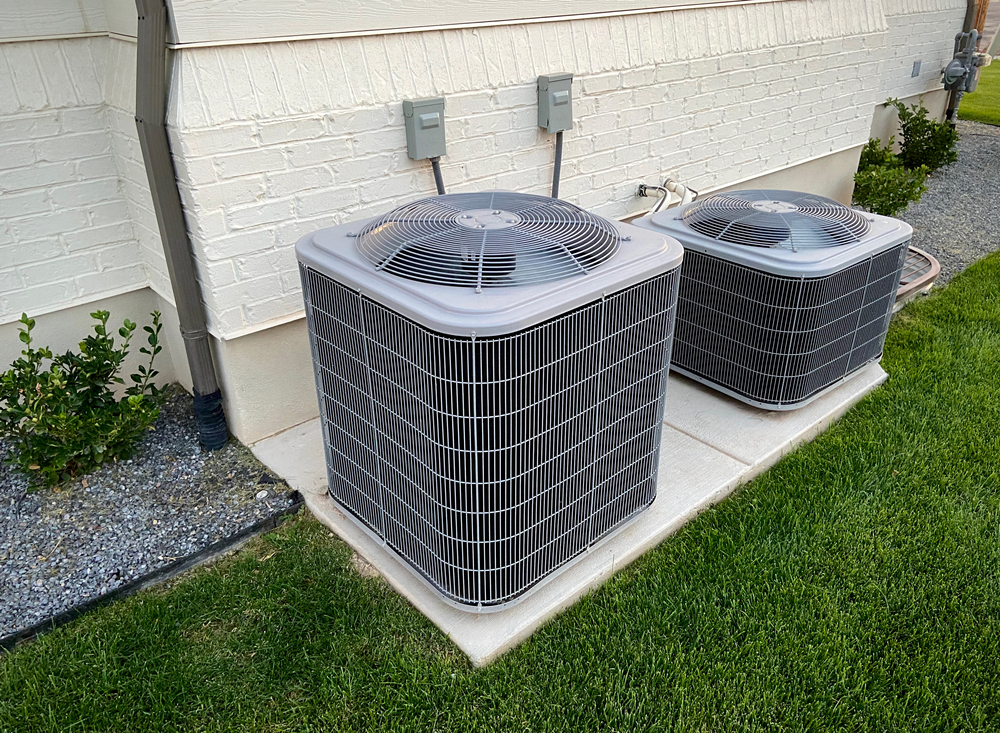
Over time, the condenser unit outside can accumulate dust, debris, and other remnants like fallen leaves and grass clippings, which can obstruct proper airflow. Clearing this debris is a simple yet effective way to boost efficiency.

First, switch off the power to your air conditioner unit at the circuit breaker for safety. Then, wipe away the accumulated matter from the condenser coils, being careful not to damage the delicate fins in the process. This straightforward task improves airflow and helps your air conditioner operate more smoothly, reducing energy costs and the likelihood of expensive repairs during the hot summer months.

Unclog the Air Filters

Air filters play a central role in maintaining indoor air quality and ensuring your air conditioning system runs efficiently. Dirty or clogged air filters restrict air flow, forcing your central air conditioner to work harder, which can increase energy costs and strain the system. To get your air conditioner ready for summer, locate the air filter in your air handler or furnace. 

Gently remove it and decide whether it needs cleaning or replacing. If it’s disposable, replace it with a new one, ensuring it fits snugly to prevent any bypass of unfiltered air. Regularly replacing or cleaning the air filter not only enhances air quality but also preserves the health of your air conditioning unit.

Clean the Coils

The coils in your air conditioning unit, particularly the indoor evaporator coils, play a key role in absorbing heat from your home’s air. Over time, these coils can accumulate dirt, which reduces the efficiency of your air conditioning system. To clean them, turn off the power to your unit. Carefully access the evaporator coils, typically found inside the access panel on your indoor unit. 

Using a soft brush or a specialized refrigerator coil brush, gently remove any dust or debris from the coils. For more stubborn grime, a mild detergent mixed with water can be used, followed by a thorough rinsing. Ensuring the coils are clean aids in maintaining optimal temperature control and cooling efficiency, keeping your home comfortably cool all summer long.

Check the Thermostat

A well-programmed thermostat helps maximize the efficiency of your air conditioning system while keeping energy costs in check. This means that as summer approaches, it’s a good time to adjust or program your thermostat to accommodate the warmer weather.

If you have a programmable thermostat, set it to a comfortable temperature for when you are at home and a higher temperature for when you are away or asleep. This strategy utilizes the air conditioner less when it’s not needed, saving on energy costs. Additionally, consider using fan-only mode during cooler parts of the day to circulate air without engaging the cooling system — providing a balance between comfort and efficiency.

Perform a Test

After months of sitting idle, it’s a good idea to perform a test run of your air conditioner before the heat of summer sets in. This ensures everything is working properly and can help identify any issues early on. 

To conduct a test, first ensure your thermostat is set to cooling mode and then lower the temperature setting to initiate the cooling cycle. Listen for any unusual noises and observe if cool air is being effectively distributed throughout your home. Then, check the outdoor compressor unit for any irregularities in operation.

You should also inspect the coolant lines and foam insulation sleeves for signs of wear or damage during this time. If you notice any issues or if the air conditioner doesn’t seem to be cooling as expected, it’s advisable to contact an HVAC professional for a more thorough inspection. A proactive test can help avoid the discomfort of a malfunctioning air conditioner when you need it most.

To Schedule Maintenance for Your AC, Call Fiscor Plumbing and Air Today

If you ever need AC maintenance in Camp Verde and the surrounding Arizona region, Fiscor Plumbing and Air will be happy to help. Our professional HVAC services, including AC repairs and replacements, will ensure that your home has a reliable source of cooling before summer arrives. Reach out today to schedule an AC service for your property.

Furnace vs. Heat Pump: What’s Better for Residential Heating?

At Fiscor Plumbing and Air, we understand that choosing the right heating system for your home is crucial to your comfort and energy efficiency. That’s why we’ve prepared this comprehensive comparison of furnaces and heat pumps, two popular options for residential heating. Let’s dive in and explore the pros and cons of each, helping you make an informed decision tailored to your specific needs.

What Is a Furnace?

A furnace is a traditional heating system that burns fuel, such as natural gas or propane, to generate heat. It utilizes a heat exchanger to warm the air, which is then distributed throughout your home via a network of ducts. Furnaces are known for their ability to provide consistent and powerful heat, making them ideal for colder climates.

What Is a Heat Pump?

On the other hand, a heat pump operates by drawing heat from the outdoor air or the ground and transferring it indoors. Unlike furnaces, heat pumps can both heat and cool your home, offering a versatile solution. They are highly energy efficient, making them a popular choice in mild climates where extreme cold is a rare occurrence.

Myths of an Electric Heat Pump Vs Gas Furnace

There are many misconceptions surrounding the efficiency of electric heat pumps compared to gas furnaces. Contrary to popular belief, modern electric heat pumps can effectively heat homes even in some drastically colder climates. Gas furnaces, while powerful, rely on fossil fuels and can pose a risk of carbon monoxide emissions if not properly maintained.

Advantages and Disadvantages of Traditional Furnaces

Advantages:

  • Reliable and powerful heat output, especially in cold climates
  • Well-maintained furnaces can operate efficiently for years

Disadvantages:

  • Reliance on fossil fuels like natural gas, propane, or oil
  • Higher carbon footprint compared to some heat pump systems

Advantages and Disadvantages of Heat Pump Technology

Advantages:

  • Energy efficiency and reduced energy costs
  • Dual functionality for both heating and cooling
  • Environmentally friendly, as they do not burn fuel or emit harmful gasses

Disadvantages:

  • Less effective in extreme cold temperatures
  • Initial installation costs can be higher than some furnaces

Cost of Furnaces vs. Heat Pumps

When considering the cost of a heating system, it’s essential to weigh both the initial installation cost and long-term energy savings. Furnaces generally have lower upfront costs, but heat pumps offer substantial savings on monthly energy bills, especially in regions with mild climates.

Heat Pumps vs. Furnaces: The Final Verdict

Ultimately, the choice between a furnace and a heat pump depends on your specific needs, budget, and climate. If you’re looking for a reliable and powerful heating solution in a cold climate, a furnace might be the right choice for you. However, if you prioritize energy efficiency and live in a milder climate, a heat pump could be the ideal option.

Contact Fiscor Plumbing and Air Today for Personalized Heat Pump and Furnace Solutions

At Fiscor Plumbing and Air, we specialize in expert heating installations and heat pump installations tailored to your home’s unique requirements. Our team of skilled professionals is here to assist you in making the right choice for your heating needs. Don’t hesitate to contact us today to schedule a consultation and experience reliable, energy-efficient, and personalized heating solutions. Your comfort is our priority.

Commonly Asked Questions About Furnaces vs. Heat Pumps

Are Heat Pumps Effective in Phoenix?

Yes, heat pumps are highly effective in Phoenix, especially given the city’s mild and warm climate. Heat pumps work efficiently in areas with moderate temperatures, making them a popular choice for homeowners in Phoenix. They draw heat from the outdoor air and provide both heating and cooling capabilities, ensuring year-round comfort without the need for a separate air conditioner. With the abundant warmth in Phoenix, heat pumps offer energy-efficient heating, allowing homeowners to enjoy consistent comfort while saving on energy costs.

What Is Better: Heat Pump or Furnace?

Determining whether a heat pump or furnace is better depends on your specific needs and location. In moderate climates like Phoenix, where extreme cold is rare, a heat pump can be an excellent choice. Heat pumps are energy-efficient, providing both heating and cooling functions. However, if you live in an area with harsh winters, a furnace might be a better option as it can deliver powerful and reliable heat, ensuring your home stays warm even in freezing temperatures. Consider your climate, budget, and preferences when deciding between a heat pump and a furnace.

What Is the Major Disadvantage of a Heat Pump System?

The major disadvantage of a heat pump system is its reduced efficiency in extreme cold temperatures. When the outdoor temperature drops significantly, heat pumps might struggle to extract enough heat from the air, leading to decreased heating efficiency. In such conditions, supplemental heating sources may be necessary to maintain indoor comfort. Homeowners in colder climates often opt for dual-fuel systems, combining a heat pump with a backup furnace, ensuring reliable heating even during severe winter weather.

What Is Cheaper to Run: Heat Pump or Oil Furnace?

In terms of operational costs, heat pumps are generally cheaper to run compared to oil furnaces. Heat pumps use electricity to move heat from the outdoor air or ground, making them highly energy-efficient. On the other hand, oil furnaces burn oil, which can be costly, especially if oil prices fluctuate. Heat pumps provide consistent heating at a lower cost, making them a more economical choice for homeowners concerned about energy expenses.

What Is the Life Expectancy of a Heat Pump vs Furnace?

The life expectancy of a heat pump and a furnace can vary based on factors such as maintenance, usage, and the quality of the equipment. Generally, a well-maintained heat pump can last around 15 to 20 years. Regular maintenance, including cleaning filters and checking refrigerant levels, can extend its lifespan. Furnaces, particularly those running on natural gas or propane, can last between 15 to 30 years with proper care. Regular inspections, timely repairs, and professional servicing contribute to a longer lifespan for both heat pumps and furnaces, ensuring your investment lasts for many years.

What Is a Geothermal Heat Pump?

A geothermal heat pump, also known as a ground source heat pump, is an innovative and highly efficient heating and cooling system that harnesses the Earth’s natural thermal energy to regulate indoor temperatures. Unlike traditional heat pumps, which extract heat from the outdoor air, geothermal heat pumps utilize the stable temperature of the Earth’s surface to provide heating, cooling, and hot water for residential and commercial buildings.

What Outside Temperature Is Too Hot for a Heat Pump?

Heat pumps are versatile systems that work efficiently in various climates, including hot weather. However, there is a point at which the outside temperature becomes too hot for a heat pump to operate optimally. Most conventional air-source heat pumps are designed to work effectively in temperatures ranging from approximately 25°F to 110°F (-4°C to 43°C).

At Fiscor Plumbing and Air, we can assess your specific climate and heating/cooling needs to recommend the most suitable heat pump or traditional furnace system for your home. Contact us today for expert advice and personalized solutions tailored to your requirements.

How to Prepare Your Heating System for Winter

As the winter season approaches, it’s important to prepare your heating system for the colder temperatures that lie ahead — but how exactly can you do that? Fortunately, there are plenty of ways you can get your heater ready for winter without needing to have an extensive HVAC background. If you want to learn how to prepare a heating system for winter, here are five steps you should keep in mind before the temperatures start to drop.

Adjust the Thermostat

One key aspect of preparing your HVAC system is reprogramming and testing the thermostat. Adjusting your thermostat settings will help optimize the system’s efficiency and ensure your heating system runs smoothly when needed. Test your furnace or heat pump to guarantee it’s ready for winter-long operation. It’s worth remembering that regular maintenance plays a vital role in preventing poor indoor air quality and optimizing system performance.

Protect the Outdoor Units

Winterizing your heating system goes beyond indoors — it also involves protecting outdoor units. Before the colder weather sets in, it’s important to inspect the outdoor components of your HVAC system. Clear away any debris, such as fallen leaves or tree branches, that may have accumulated around your outdoor unit. This simple and easy step can help prevent damage and ensure your heat pumps or other outdoor HVAC systems operate efficiently.

Additionally, check for any signs of duct leaks that may compromise system performance. By taking the time to winterize your outdoor units, you not only help your heating system run smoothly but also improve energy efficiency, ultimately saving you money on heating bills throughout the winter season.

Change the Air Filters

Another important part of preparing your heating system for winter is changing the air filters. A clean air filter is crucial for maintaining good indoor air quality and preventing the blower motor from overworking, which can lead to increased energy consumption. Check the current room temperature and adjust the thermostat to your desired temperature before the temperatures drop.

Changing the air filter ensures that warm air circulates efficiently, keeping your home comfortable. Regularly replacing air filters is a simple yet effective way to optimize your heating system’s performance and keep your family safe from potential issues such as carbon monoxide exposure or a malfunctioning heat exchanger.

Make Room for Your Heating System

When it comes to ensuring your heating system is ready for winter, it’s not just about programming the thermostat or changing air filters. Take the time to inspect the space around your heating unit. Move items away from the furnace or heat pump to prevent fire hazards and maintain system efficiency. Ensure that air vents are unobstructed, preventing the buildup of dust and debris that can restrict airflow and lead to cold spots in your home. 

Keeping the area around your heating equipment clear not only prevents potential hazards but also contributes to the overall safety of your family during the winter months. Be proactive, address any unusual noises or issues promptly, and consider professional help for a thorough inspection to keep your heating system running at maximum efficiency.

Schedule Maintenance

If you haven’t scheduled your annual heating system maintenance, now is the time to do so. A tune-up performed by a professional HVAC technician includes a thorough inspection of your furnace, heat pump, or any other heating equipment you have. The technician can identify and address issues like a malfunctioning pilot light or potential chimney fire hazards. 

This preventive approach not only ensures your heating system is ready for the winter but also helps you save energy and avoid costly repairs. By investing in professional heating maintenance, you’re keeping your home warm and contributing to the safety and efficiency of your HVAC system during the colder months.

To Get Your Heating System Ready for Cold Weather, Reach Out to Fiscor Plumbing and Air Today

Searching for a licensed, insured, and bonded HVAC company to help prepare your home for winter weather? Then Fiscor Plumbing and Air has you covered. Our family-owned business offers a variety of services, including heat pump maintenance, heating repair, and more. To schedule a heating service for your property, give us a call today.

How to Choose the Best Heating System for Your Home

Thinking about upgrading your home’s heating system? There are so many different options available that it can be hard to settle on just one. However, by knowing how each of these systems differ from each other and the potential benefits they’ll bring, it becomes easier to determine which one is the best fit for your home. If you want to learn how to choose the best heating system, let’s take a look at five different types and the reasons why they’d be a good fit for your home.

Furnaces

Furnaces are often considered one of the best heating systems due to their ability to provide efficient heating quickly. These heating systems typically run on natural gas or heating oil and work by heating air through a heat exchanger before distributing warm air throughout the house via forced air systems. A key advantage of furnaces is their rapid response time, which allows them to quickly warm up a home on cold days.

Boilers

Boilers represent another top-tier option for a house heating system, particularly in regions where fuel oil or natural gas is readily available. These boiler systems operate by heating water and then distributing it through radiators or baseboard heaters, generating heat by radiating warmth throughout the home. 

Boilers are known for their uniform heating, making them a best home heating system for those seeking even warmth distribution. Moreover, they can be combined with programmable thermostats to optimize energy usage and maintain a comfortable indoor temperature — even in cold climates.

Mini-Split

Mini-split systems — specifically air source heat pumps — are gaining popularity as an energy-efficient heating system. These systems use an outdoor unit to extract heat from the outdoor air and then transfer it inside, providing both heating and cooling capabilities. 

What sets air source heat pumps apart as a home heating system is their remarkable efficiency, particularly in moderate climates. They are renowned for their ability to provide a comfortable living environment while consuming minimal electricity, making them a sustainable and flexible choice for both house heating and cooling needs.

Heat Pumps

Heat pumps have emerged as one of the best heating systems for environmentally conscious homeowners. They harness the stable temperature of the Earth to efficiently heat and cool homes, significantly reducing electricity costs compared to traditional heating methods. 

These heat pumps work by extracting heat from the ground or a water source and transferring it into the home, providing a steady supply of usable heat. In addition to their energy efficiency, they have a long lifespan, making them a wise investment for those seeking an efficient home heating system that minimizes reliance on fossil fuels.

Electric Heaters

Electric heaters are becoming a compelling choice for a new heating system in many homes. These electric heating systems are known for their simplicity and versatility, requiring only electricity to generate heat. 

Moreover, they offer zoned heating, allowing users to control the temperature in different rooms, which can lead to substantial savings on electricity costs while keeping the home warm and comfortable.

Schedule a Heating System Installation Today

Whether you’d like to install a gas furnace, a heat pump, or other home heating systems, know that the team at Fiscor Plumbing and Air has the necessary experience for the job. In addition to heating installations, we also offer heating repairs and a variety of other HVAC services. For additional information and to schedule your installation, call us today.

5 Advantages of a Heat Pump

For homeowners on the lookout for a sustainable and efficient way to manage their heating and cooling requirements, understanding the advantages of a heat pump can be a game-changer. Fiscor Plumbing and Air is committed to providing top-notch services to our valued clients in Rimrock, AZ, and surrounding areas. Here, we’ll provide insights into the world of heat pumps and why they stand out as an effective and efficient way to cool and heat a residential or commercial space in Arizona.

How Does a Heat Pump Work?

At its core, a heat pump is a device that transfers heat from one place to another. It doesn’t generate heat like electric resistance heaters or gas furnaces. Instead, heat pumps work by collecting heat from the outdoor air or ground source, even in cold temperatures, and move it indoors.

During summers, the process reverses. Heat is extracted from the indoor air and expelled outside, acting as an air conditioner. The process relies on a liquid or gas refrigerant that circulates between two sets of coils, facilitating transferring heat.

Air source heat pumps extract heat energy from the ambient air, while geothermal heat pumps (or ground source heat pumps) extract it from the ground or underground water sources. The principle is the same: moving heat instead of generating heat.

Why Choose a Heat Pump Over a Traditional HVAC System?

Energy Efficiency

Arguably, one of the most compelling advantages of a heat pump is its remarkable energy efficiency. When compared to traditional HVAC systems, heat pumps stand out for their innovative operation mechanism. Instead of using excessive energy and burning fossil fuels like coal or oil to generate heat, heat pumps employ a unique system to transfer heat. This not only reduces the strain on our planet’s resources but also translates to a noticeable decrease in monthly energy bills. Think about common gas furnaces or even an electric furnace. These systems, while effective, can often guzzle energy, especially when required to produce the same amount of heat output as heat pumps. Over time, these savings can be substantial, making heat pumps an economically wise choice.

Carbon Emissions

In today’s environmentally-conscious world, the ecological footprint of our choices matters more than ever. Heat pumps are a testament to this consciousness. These systems have a much lower carbon footprint because they significantly reduce carbon emissions. Traditional heating systems rely heavily on fossil fuel combustion, a process known to release vast amounts of greenhouse gasses into the atmosphere. In contrast, the way heat pumps operate, primarily by moving and transferring heat rather than producing it, ensures minimal emissions. As homeowners increasingly prioritize green solutions, switching to a heat pump system offers a tangible way to combat climate change and reduce a household’s carbon footprint.

Heating and Cooling

Versatility is the name of the game with heat pumps. Unlike many other systems that serve a singular purpose, a heat pump is adept at both heating and cooling. Imagine the convenience of having a single unit that adapts to the seasons, ensuring your home remains cozy in the winter and refreshingly cool during the summer months. This dual capability not only means more comfort but also less clutter and costs, as there’s no need to invest in separate heating and cooling systems. Plus, this ensures a harmonious and consistent indoor environment throughout the year.

Safety

When it comes to household appliances, safety is paramount. Heat pumps excel in this department. Traditional heating methods, especially those that burn fossil fuels like natural gas, come with inherent risks – one of the most alarming being carbon monoxide poisoning. This odorless and colorless gas can pose severe health risks if leaked. In stark contrast, heat pumps, with their advanced technology, don’t rely on combustion, flames, or hot surfaces. This design significantly minimizes the risk of accidental fires, burns, or toxic gas exposure, making them a safer choice for families.

Longevity and Reliability

When making a significant investment in a home system, longevity is a crucial factor. With heat pumps, homeowners can rest easy. These systems are renowned for their durability and reliability. In fact, most heat pumps outlive traditional heating systems, boasting an impressive lifespan that, with regular maintenance and care, can span decades. Their design reduces wear and tear, ensuring they meet and exceed your heating and cooling requirements. Trusting in a heat pump means investing in a system that promises consistent performance year after year, without frequent breakdowns or significant issues.

Fiscor Plumbing and Air: Offering Heat Pump Services in Rimrock, AZ, and the Surrounding Areas

At Fiscor Plumbing and Air, our commitment to quality service has set us apart in the HVAC industry. Our team of experts can guide you through choosing the right heat pump tailored to your home’s specific needs. Whether you’re interested in air source heat pumps, geothermal heat pumps, or need advice on heat pump installation, we’ve got you covered.

Beyond just installations, we’ll help maintain your system for optimum performance. From the assurance of reliable warm air during chilly winter nights to cool comfort in the peak of summer, our services ensure your home remains a sanctuary, regardless of the weather outside.

Additionally, recent legislative changes introduced in the Inflation Reduction Act ensure households like yours receive maximum financial incentives for installing an efficient heating and cooling system. Moreover, with increasing focus on renewable energy sources, having a heat pump installed in your home is not just an investment in comfort but also in sustainability.

Our dedication to home and business owners throughout Rimrock, AZ, and the surrounding areas, combined with our expertise in heat pump technology, ensures that you’ll receive the best solutions for your heating and cooling needs.

When you’re ready to experience the unparalleled advantages of a heat pump and make an eco-friendly decision for your home’s comfort, trust Fiscor Plumbing and Air to deliver. We invite you to contact us for more details or visit our detailed heat pump page for an in-depth look at the solutions we offer. Your journey to a greener, more efficient home starts with a single click. Don’t wait, contact us today!

FAQs

What questions to ask about heat pumps?

When considering heat pumps for your home, it’s essential to be well-informed. Here are some critical questions you might consider asking:

  • How does a heat pump differ from conventional heating and cooling systems?
  • What are the advantages of a heat pump in terms of energy efficiency and carbon emissions?
  • How does the heat pump technology work in both heating and cooling modes?
  • Are there specific heat pump installation requirements for my home?
  • What energy bills savings can I expect when switching to a heat pump system?
  • How does an air source heat pump compare to a geothermal heat pump in performance?
  • Can heat pumps work effectively in very cold or hot climates?

Do heat pumps work well in Arizona?

Yes, heat pumps are an excellent choice for Arizona residents. Given Arizona’s predominantly warm climate, the heat pump’s ability to efficiently transfer heat from the indoor air to the outside during the hotter months makes it an ideal cooling system. Moreover, for the cooler nights and occasional cold spells, heat pumps can reverse the process, drawing heat energy from the outdoor air to warm the house. They are especially beneficial in areas with moderate heating and cooling requirements, which makes them suitable for many parts of Arizona.

What is the life expectancy of a heat pump in Arizona?

In Arizona’s unique climate, the life expectancy of a heat pump typically ranges from 10 to 15 years. However, with regular maintenance and proper care provided by professionals like Fiscor Plumbing and Air, some heat pumps can last even longer. It’s crucial to ensure that the heat pump system is regularly serviced to optimize its lifespan in the Arizona climate.

Do heat pumps use a lot of electricity?

Relative to traditional heating systems and air conditioners, heat pumps are designed to be more energy-efficient. Instead of generating heat, they transfer heat, which usually requires less electricity. While they do use electricity, especially during peak operation, their overall consumption is often lower than conventional heating and cooling systems. This efficiency can lead to reduced energy bills over time.

Do heat pumps require a lot of maintenance?

Heat pumps require regular maintenance to ensure optimal performance and longevity, but this doesn’t necessarily mean “a lot” of upkeep. Routine checks, filter changes, and occasional professional services from trusted providers like Fiscor Plumbing and Air can keep your heat pump system in top shape. Compared to some traditional systems, the maintenance can be less intensive, especially when done consistently.

How cold can a house get with a heat pump?

Heat pumps are adept at maintaining a comfortable indoor temperature, even during colder months. In heating mode, they extract heat from the outside air (even when it feels cold) and transfer it indoors. However, their efficiency can diminish in very cold temperatures. In moderate climates, a heat pump can keep a house comfortably warm. For regions with extreme cold, it might be beneficial to have a supplemental heating source to ensure maximum comfort.


For more detailed information about heat pumps and our services, please contact us at Fiscor Plumbing and Air. We’re here to ensure your home remains comfortable year-round.

Why is My AC Not Working?

Summer is in full swing and the last thing anyone wants is to be trapped in a hot home with an air conditioner that just won’t deliver that refreshing cold air. If you’ve ever thought, “Why is my AC not working?”, you’re not alone. In fact, many residents in Rimrock, AZ, and surrounding areas have faced the same question. Here, at Fiscor Plumbing and Air, we strive to provide answers to some of the most pressing air conditioner problems you might face and help guide you through the solution process.

The Most Common Reasons For AC Not Working

Understanding the reasons why your air conditioner isn’t functioning optimally can save you time, money, and prevent unnecessary discomfort. Below are some of the most frequent culprits, elaborated with details:

Dirty Air Filter

One of the most common reasons for an air conditioner not cooling is a clogged air filter. Over time, dust, pet hair, and other particles accumulate on the air filter, obstructing the airflow. When this happens, the air conditioning system has to exert more effort, consuming more energy and ultimately reducing its overall efficiency. A consistently dirty air filter can also lead to other complications like a frozen evaporator coil. It’s imperative to check and change your air filters regularly to ensure effective cooling and prolonged air conditioner lifespan.

Refrigerant Leak

The refrigerant is the lifeblood of the air conditioning system. It’s what allows the system to remove heat from the indoor air, producing that refreshing cold air we all crave in warmer months. A refrigerant leak not only hampers this process, making it difficult to produce the desired cool air, but it’s also harmful to the environment. Regular inspection of refrigerant lines for signs of wear or damage is crucial. If you suspect a leak, contacting an HVAC professional promptly is the best course of action.

Frozen Evaporator Coil

The evaporator coil plays a vital role in the cooling cycle, helping to cool the warm air from your home. However, issues such as low refrigerant levels or a dirty air filter can cause the coil to freeze, leading to the AC system blowing lukewarm air. Regular maintenance and ensuring uninterrupted airflow can prevent this from happening.

Faulty Thermostat Settings

The thermostat acts as the command center of your air conditioning system, instructing the unit when to start and stop. If not set properly or if it’s malfunctioning, it can give erratic commands, leading to uneven cooling. It’s always good to double-check the thermostat settings, ensuring they align with your desired temperature. Moreover, upgrading to a programmable or smart thermostat can provide more accurate readings and controls.

Clogged Drain Line

The air conditioning unit produces condensation, which is drained out through the drain line. Over time, algae, mold, or even small insects can clog this line. A blocked drain line can lead to water backups, causing potential water damage to your home or the AC unit. Regular cleaning and checks can prevent such blockages.

Outdoor Unit Issues

The efficiency of your air conditioning system is a combined result of both the indoor and outdoor units. The outdoor unit houses critical components like the condenser coil and condenser fan motor. If these parts are dirty, damaged, or malfunctioning, it can significantly impact the cooling effectiveness. It’s essential to keep the area around the outdoor unit clean, free from debris, and ensure it’s inspected as part of regular AC maintenance.

There are many other reasons, including issues with the circuit breaker, frozen coil, or a malfunctioning start capacitor, which can contribute to your AC not working. It’s always best to consult a professional if you’re unsure.

DIY vs. Professional AC Repair Services

While some of these issues, like changing a dirty filter, can be addressed with DIY methods, others require the expertise of an HVAC professional. Trying to fix more complex issues like refrigerant leaks or problems with your condenser unit without proper knowledge can lead to greater expenses down the road. If you’re ever in doubt, it’s always a safer choice to call in the experts.

Fiscor Plumbing and Air: Premier HVAC Services in Rimrock, AZ, and the Surrounding Areas

At Fiscor Plumbing and Air, we pride ourselves on delivering top-notch HVAC services to Rimrock, AZ, and the surrounding areas. Whether you need AC installation, AC repair or just some professional advice on maintaining your air conditioning system, we’re here to help.

If you’ve found yourself frequently searching for “reasons for AC not working” or are tired of sweltering in the heat because your air conditioner isn’t producing enough cold air, look no further. Our team of experienced technicians is well-versed with all common air conditioner problems and can ensure your air conditioner is back up and running in no time.

Whether it’s a new air conditioner you’re considering or just a tune-up for your existing unit, our dedicated team at Fiscor Plumbing and Air promises to deliver quality, professionalism, and efficiency every time.

Stay Cool and Stress-Free!

No one should have to endure a summer with a faulty air conditioning system. The discomfort of a home that doesn’t provide relief from the heat can be unbearable. But you don’t have to go through this alone. With Fiscor Plumbing and Air by your side, professional assistance is just a click away. We understand the nuances of cooling systems, and our aim is always to provide quick and effective solutions.

Don’t sweat the small stuff or the big stuff. If you’re experiencing any air conditioner problems, contact us today and let us bring the cool back into your home.

FAQs

Fiscor Plumbing and Air: Answering Your AC Queries

What is the common fix for AC not working?

When your air conditioner isn’t functioning, the most typical reasons can range from a dirty air filter to a refrigerant leak. Fiscor Plumbing and Air recommends initially checking the thermostat settings, ensuring it’s set correctly and has power. Next, inspect the circuit breaker, air filters, and the outdoor unit for any obstructions or visible damages. If these initial checks don’t resolve the issue, it might be related to internal components, like the evaporator coil or refrigerant levels, requiring professional assistance.

Why is my AC turning on but not cooling?

If your AC unit powers on but doesn’t produce cold air, it can be due to several reasons. Common causes include a clogged air filter, low refrigerant, or a frozen evaporator coil. It might also be related to issues with the air conditioning system such as faulty capacitors, malfunctioning compressors, or obstructed condenser coils. For a precise diagnosis, it’s best to contact a specialist from Fiscor Plumbing and Air.

Why would AC suddenly stop cooling?

An air conditioner that suddenly ceases to cool could be experiencing a refrigerant leak, a sudden electrical fault, or issues with the condenser unit. Other potential causes include blockages in the airflow, a dirty filter, or a malfunctioning thermostat. It’s essential to address sudden malfunctions promptly to prevent further damage to your air conditioning system.

Where is the reset button on AC unit?

On most air conditioning units, the reset button is typically located on the outdoor condenser unit. It’s often a red or black button labeled “Reset.” If you’re having difficulty finding it or if your AC system doesn’t have one, reach out to the Fiscor Plumbing and Air team for guidance or consult your unit’s manual.

Should I turn off the AC if it’s not cooling?

Yes, if your AC system isn’t cooling properly, it’s advisable to turn it off. Operating the system when it’s not cooling can cause it to overwork, leading to increased wear and higher energy bills. Turning it off also ensures safety, especially if there’s a potential refrigerant leak or electrical issue. After switching off, contact a professional from Fiscor Plumbing and Air to diagnose and address the problem.

Why is my AC not responding to the thermostat?

If your AC isn’t reacting to your thermostat, it could be due to mismatched wiring, a power outage, or depleted batteries in the thermostat. Another possibility is that the thermostat setting might not correspond to the ambient room temperature. In some cases, the thermostat might be malfunctioning or has reached the end of its lifespan. To ensure your air conditioning system and thermostat communicate effectively, it’s best to have them regularly checked by experts like the team at Fiscor Plumbing and Air.

For all your air conditioning needs and concerns, Fiscor Plumbing and Air is here to help. With our team’s expertise and commitment to service excellence, your comfort is guaranteed.